Manufacturing industries today are operating in an environment where environmental and safety compliance is becoming increasingly complex, dynamic, and non-negotiable.
For industries like heavy fabrication, food processing, automotive, and pharmaceuticals, compliance is no longer just about passing inspections—it directly impacts business continuity, operational approvals, and brand credibility.
What makes this challenge even more complex is that compliance is not uniform. It varies based on:
- Geographic location
- Industry type
- Nature of emissions
- Scale of operations
At the center of all these variables lies one critical factor: how effectively your ventilation and exhaust systems are designed and implemented.
The Real Impact of Compliance Challenges on Operations
When ventilation systems are not aligned with regulatory requirements, the consequences extend far beyond audits—they begin to disrupt the entire operational ecosystem.
- Air quality standards are not consistently met, especially in high-emission zones, leading to regulatory violations.
- Workplace safety risks increase, exposing employees to unsafe conditions and increasing liability.
- Audits and inspections become unpredictable, with higher chances of non-compliance findings.
- Penalties, legal actions, or operational restrictions may arise, impacting financial performance.
- Production disruptions or shutdown risks increase, particularly in highly regulated industries like pharmaceuticals and food processing.
These challenges are not isolated—they create a ripple effect across productivity, workforce safety, and long-term business sustainability.
👉 Compliance failures are rarely due to lack of intent—they are often the result of inadequate or misaligned ventilation system design.
Why Compliance Is Not One-Size-Fits-All: The Role of Geography and Industry
One of the most critical aspects often overlooked is that compliance requirements vary significantly based on geography and regulatory bodies.
For example:
- In regions with strict pollution control norms, emission thresholds and filtration requirements are much higher.
- Coastal or humid regions may require different airflow and corrosion-resistant system designs.
- Industrial zones may have cluster-based environmental regulations, impacting exhaust discharge standards.
- Export-oriented industries (especially pharmaceuticals and food processing) must meet international compliance standards, not just local regulations.
At the same time, industry-specific requirements further complicate the scenario:
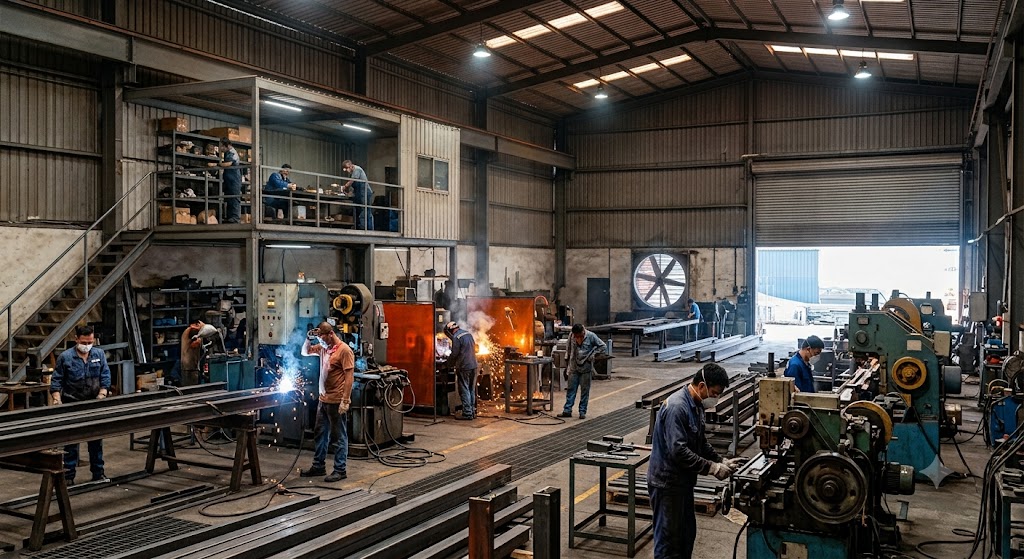
- Heavy fabrication demands strong fume extraction and particulate control
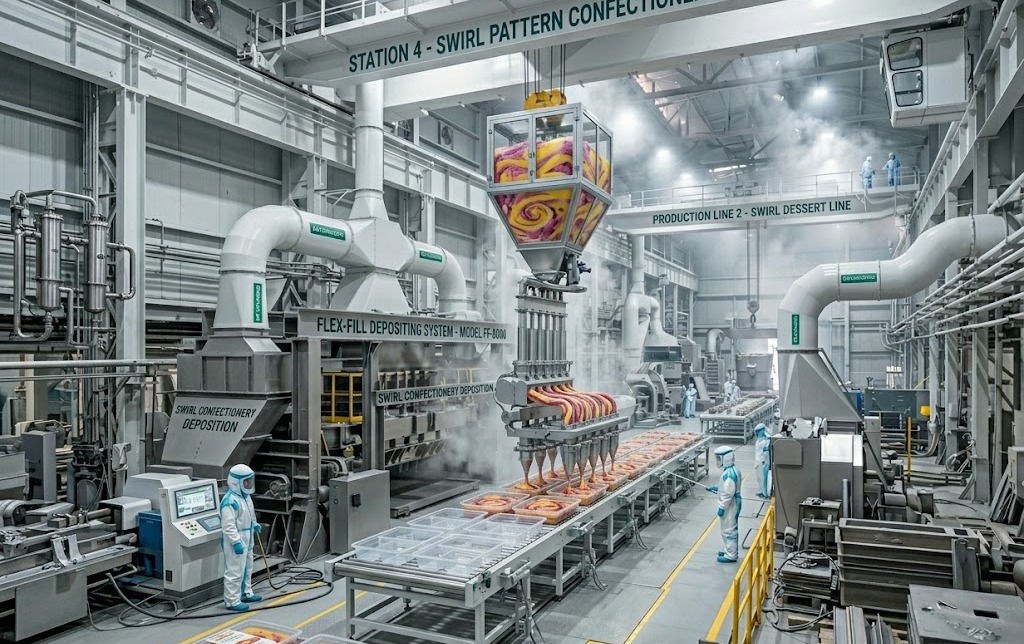
- Food processing requires hygiene-focused airflow and contamination control
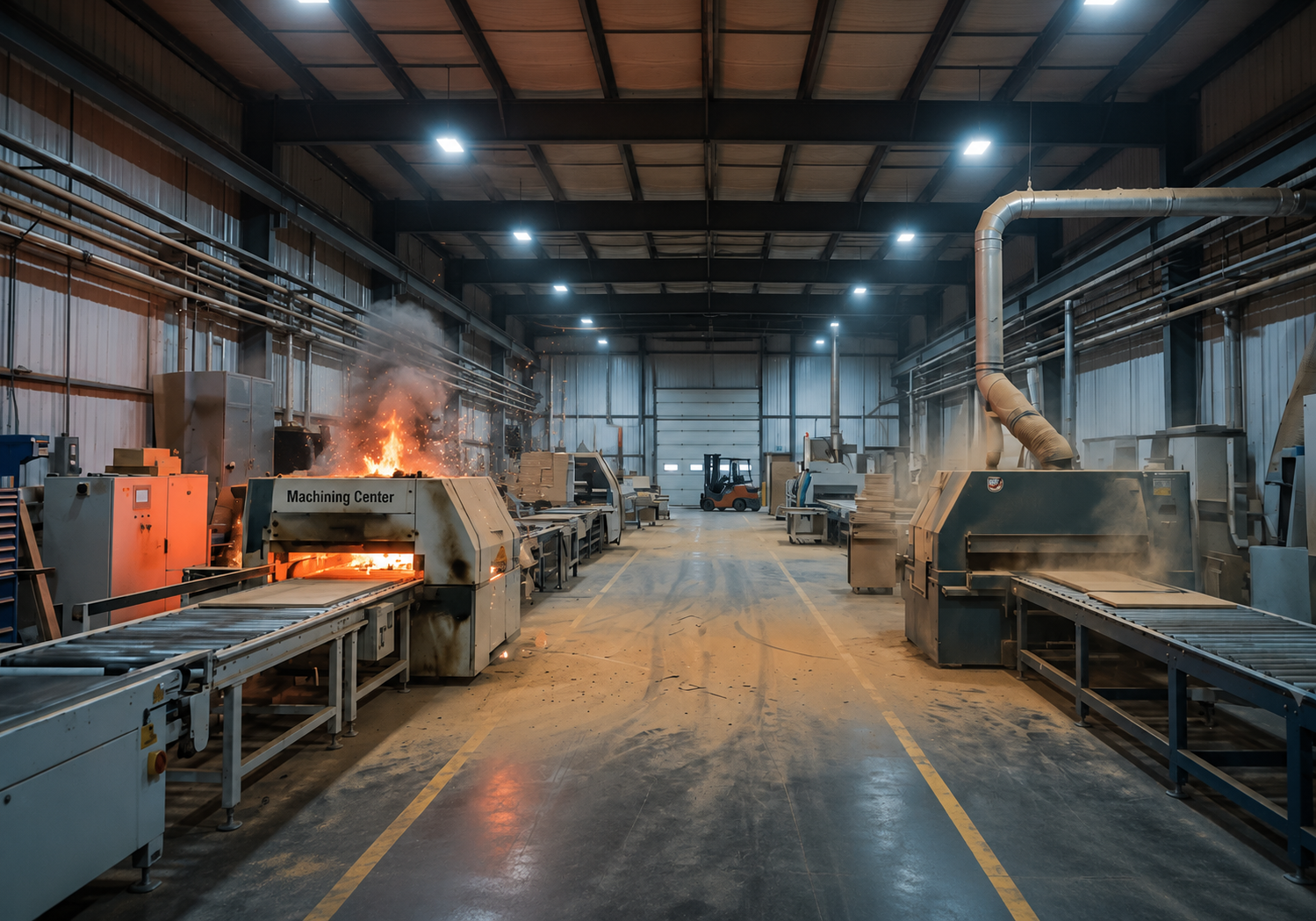
- Automotive manufacturing needs chemical emission handling
- Pharmaceuticals demand precise environmental control and validation
👉 This means ventilation systems cannot be generic—they must be custom-designed based on location, industry, and compliance framework.
How Risk Size and Plant Scale Define Ventilation Strategy
Another key factor in compliance is the risk profile of the facility, which is influenced by:
- Size of the plant
- Volume of emissions
- Type of processes involved
- Density of operations
A small facility with limited emissions may require basic exhaust and filtration, while a large-scale manufacturing plant with continuous processes requires:
- Multi-stage filtration systems
- High-capacity exhaust mechanisms
- Zoned airflow control
- Continuous monitoring integration
In high-risk environments—such as heavy fabrication or chemical-intensive automotive units—source-level extraction and high-efficiency filtration become mandatory, not optional.
👉 The higher the risk and scale, the more engineered and layered the ventilation system must be.
How Industrial Exhaust Systems Enable Compliance Across Conditions
Modern industrial exhaust systems are no longer just airflow solutions—they are compliance-driven engineering systems.
A well-designed system ensures:
- Emission control tailored to regulatory thresholds, ensuring pollutants are within permissible limits
- Advanced filtration mechanisms, customized based on the type of pollutants generated
- Airflow design aligned with plant layout and process intensity, ensuring no zone is left unmanaged
- Adaptability to geographic and environmental conditions, including humidity, temperature, and regulatory requirements
- Scalability, allowing systems to evolve with plant expansion or regulatory changes
These systems transform compliance from a reactive challenge into a proactive and controlled process.
What This Means for Your Business
When ventilation is aligned with compliance requirements:
- Regulatory approvals become smoother and faster
- Risk of penalties and shutdowns is significantly reduced
- Workplace safety improves across all levels
- Audit readiness becomes predictable and manageable
- Brand reputation strengthens, especially for export-oriented industries
In this context, ventilation is not just an operational system—it becomes a strategic enabler of compliance and growth.
Edynamics Approach: Compliance-Driven, Location-Aware Engineering
At Edynamics, we understand that compliance is influenced by multiple variables—not just airflow.
Our approach focuses on:
- Geography-aware system design, considering local and international regulations
- Risk-based ventilation engineering, aligned with plant size and emission intensity
- Industry-specific solutions, tailored for heavy fabrication, food processing, automotive, and pharmaceutical sectors
- Future-ready systems, designed to adapt to evolving compliance standards
We don’t just design ventilation systems—we design compliance-ready environments.
Use Cases Across Priority Industries
In a heavy fabrication facility, customized exhaust systems with high-efficiency filtration ensured compliance with strict emission norms.
In a food processing plant, airflow and exhaust design supported hygiene standards and regulatory approvals.
In an automotive manufacturing unit, chemical emission handling systems reduced compliance risks and improved safety.
In a pharmaceutical facility, precision airflow and filtration systems enabled adherence to stringent environmental and process regulations.
Stay Ahead of Compliance—Don’t Just React to It
If your facility is experiencing:
- Increasing regulatory pressure
- Frequent audit observations
- Compliance gaps across operations
- Uncertainty around environmental standards
👉 It’s time to rethink your ventilation strategy—not just as a system, but as a compliance framework.
Get a Compliance-Focused Ventilation Assessment
Compliance is not static—it evolves with regulations, industries, and environments.
The question is not whether you meet today’s standards—but whether your systems are ready for tomorrow’s.
With the right industrial ventilation strategy, you can stay ahead of compliance, not behind it.