Hygiene is the foundation of food manufacturing. From raw material handling to processing and packaging, every stage must operate within tightly controlled environmental conditions to ensure product safety and quality. However, one of the most overlooked challenges in maintaining hygiene is the presence of airborne oil, smoke, and vapor emissions.
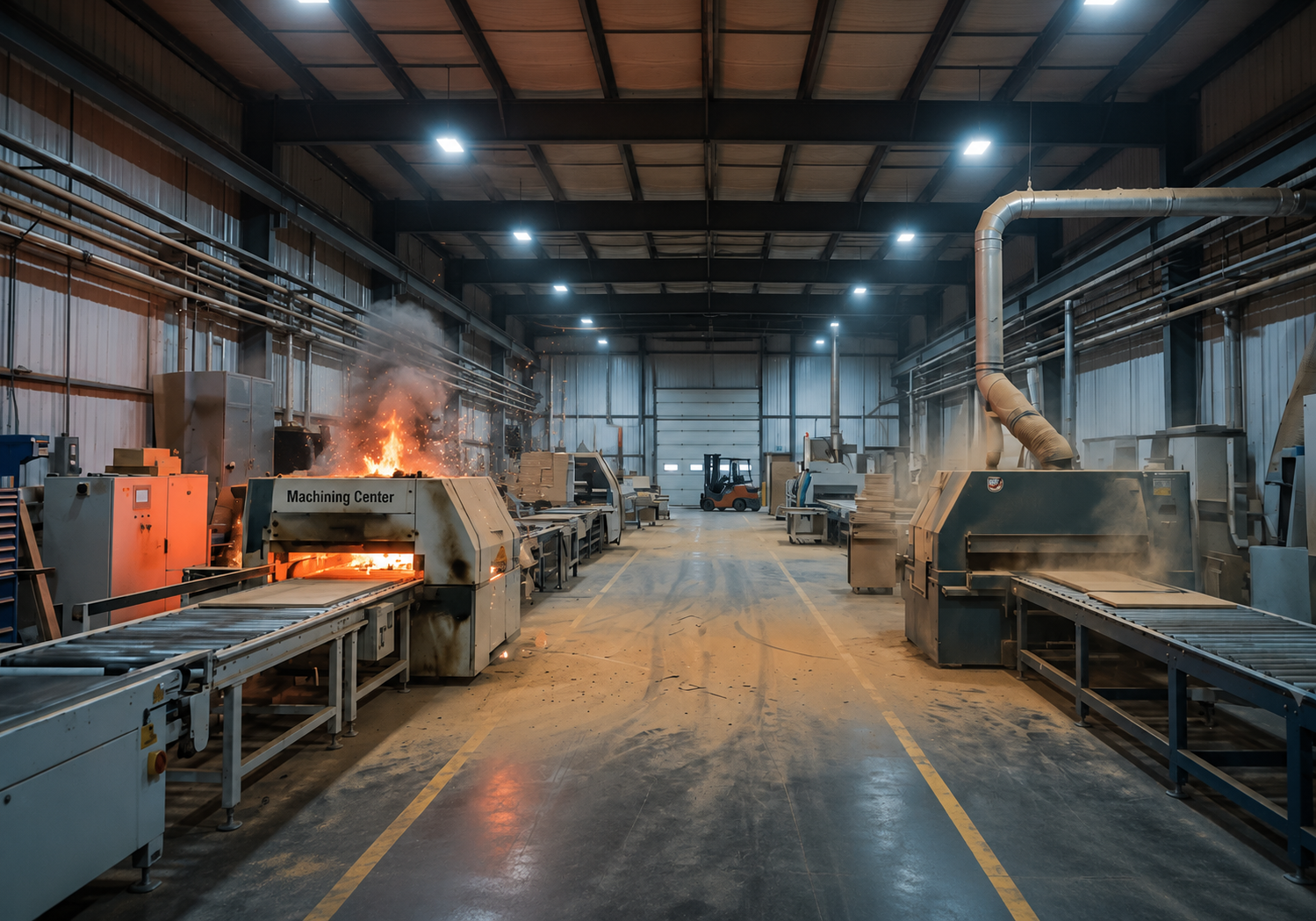
Processes such as frying, baking, roasting, mixing, and packaging generate emissions that can spread across the facility if not properly controlled. These airborne contaminants may not always be visible, but they can settle on surfaces, equipment, and products—creating a serious risk of contamination.
The Real Impact of Oil, Smoke & Vapor Emissions
Smoke and vapors also create a greasy film on machinery and surfaces, making cleaning more difficult and increasing maintenance requirements. This not only raises operational costs but also disrupts production schedules.
Key impacts include:
- Product contamination and compromised quality
- Reduced shelf life and increased rejection rates
- Build-up on equipment leading to maintenance issues
- Higher cleaning effort and downtime
- Non-compliance with food safety standards
These issues are interconnected. Poor air quality leads to hygiene challenges, which in turn affect productivity, compliance, and profitability.
Where This Problem Is Most Critical
The impact of oil, smoke, and vapor emissions is particularly significant in food processing environments where heat and continuous production are involved.
In frying and roasting operations, large volumes of oil mist and smoke are generated. Baking and cooking processes release vapors that can spread across production zones. Packaging areas are also at risk, as airborne contaminants can affect finished products.
Facilities handling spices, powders, and processed foods must maintain strict environmental control to prevent cross-contamination. In large-scale manufacturing units, where multiple processes operate simultaneously, emissions can quickly accumulate without proper control systems.
In all these scenarios, maintaining clean and controlled air is essential for ensuring consistent product quality and hygiene.
Why Traditional / Outdated Systems Fail
Many food processing units rely on basic exhaust or general ventilation systems that are not designed to handle oil and vapor emissions effectively.
These systems often focus on removing heat or circulating air rather than capturing contaminants at their source. As a result, emissions spread across the facility before being extracted.
Common limitations include:
- Lack of source-level capture
- Ineffective removal of oil mist and vapors
- Poor airflow distribution
- Accumulation of contaminants in production areas
- Inability to meet modern hygiene and compliance standards
This leads to persistent contamination risks and increased operational challenges.
How Extraction Systems Control Oil, Smoke & Vapor Emissions
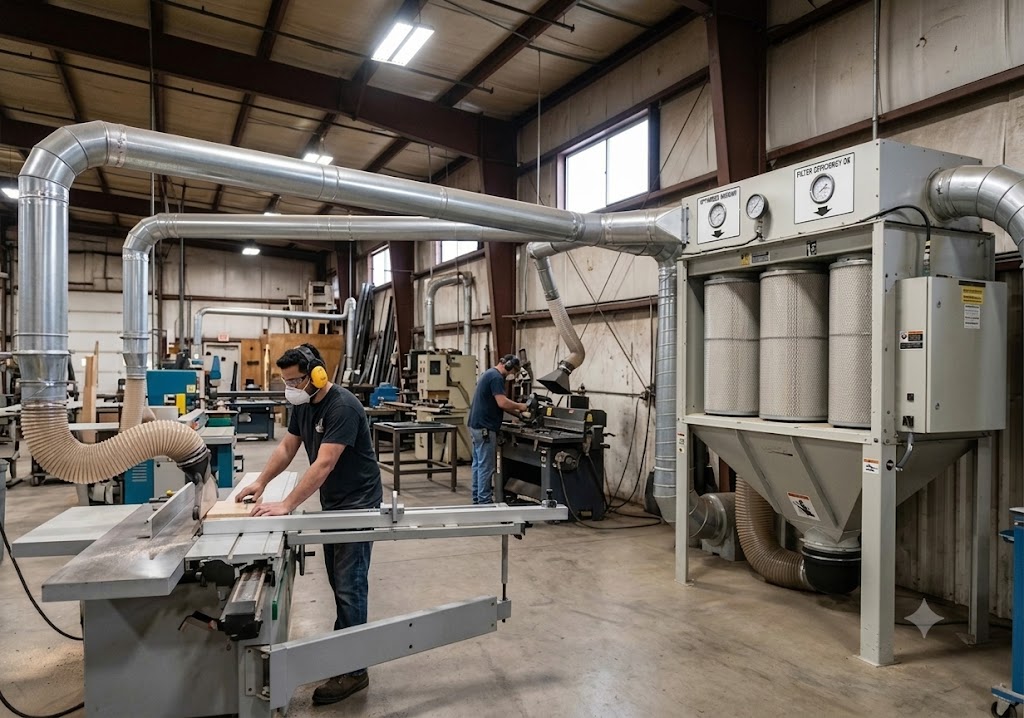
Modern extraction systems are designed to capture and control emissions at the source, ensuring that contaminants do not spread within the facility.
Source-level extraction plays a crucial role by capturing oil mist, smoke, and vapors directly from cooking or processing equipment. This prevents them from dispersing into the surrounding environment.
The extracted air then passes through specialized filtration systems. These may include grease filters, electrostatic precipitators, and multi-stage filtration units designed to handle oil particles and fine vapors. In certain applications, scrubbers are used to treat and neutralize emissions.
Dust and emission handling systems ensure that collected contaminants are safely managed and disposed of in accordance with environmental regulations.
Edynamics Approach: Engineering for Hygienic Processing Environments
Each solution is developed based on a detailed assessment of the facility, processes, and emission characteristics. Whether it is a frying line, baking unit, or large-scale processing plant, systems are tailored to meet specific requirements.
The approach includes:
- Source-level extraction for effective emission control
- Advanced filtration technologies for oil and vapor removal
- Compliance-driven design aligned with food safety standards
- End-to-end solutions from extraction to disposal
This ensures clean, controlled environments that support high-quality food production.
Use Cases Across Food Processing
In frying units, extraction systems capture oil mist and smoke, preventing contamination.
In baking facilities, vapor control systems maintain clean processing environments.
In packaging areas, controlled airflow ensures product integrity.
In spice processing units, emission control prevents cross-contamination.
Don’t Ignore This Risk
Oil, smoke, and vapor emissions often go unnoticed until they impact product quality or compliance.
Common warning signs include:
- Sticky or greasy surfaces
- Persistent odors in production areas
- Increased cleaning requirements
- Product quality inconsistencies
Ignoring these signs can lead to serious hygiene and compliance issues.
Get a Hygiene-Focused Extraction Assessment
In food manufacturing, hygiene is not just a requirement—it is a responsibility. Airborne emissions such as oil, smoke, and vapors can silently compromise product quality and safety if not properly controlled.
Investing in effective extraction systems ensures clean environments, consistent quality, and reliable compliance.
In today’s competitive food industry, clean air is not just an advantage—it is essential for delivering safe and high-quality products.