Energy consumption is one of the largest operational expenses in industrial facilities. While equipment, machinery, and production lines are often optimized for efficiency, ventilation systems are frequently overlooked—even though they run continuously and consume significant power.
In industries such as heavy fabrication, automotive manufacturing, food processing, pharmaceuticals, and chemical processing, ventilation is essential for managing heat, dust, and fumes. However, inefficient airflow systems, outdated blowers, and poor design can lead to excessive energy usage without delivering effective results.
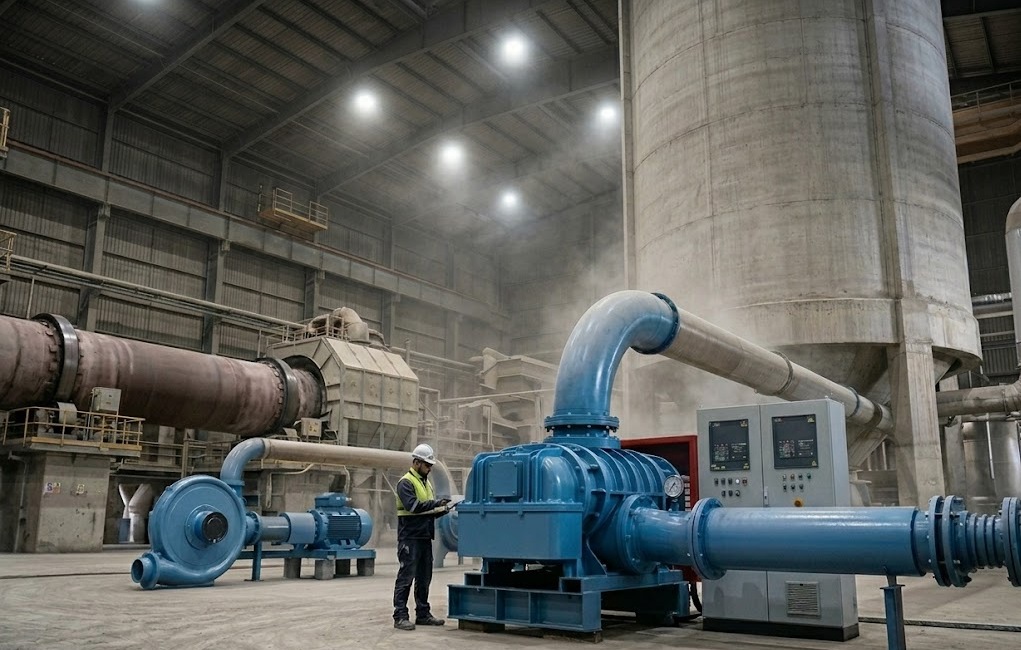
Industrial blowers sit at the heart of these systems. When properly selected and engineered, they can significantly reduce energy consumption while improving overall airflow performance.
The Real Impact of Poor Ventilation on Energy Costs
Inefficient ventilation systems often consume more energy than necessary while delivering inconsistent airflow.
In many facilities, blowers operate at higher loads to compensate for poor duct design, leakage, or incorrect sizing. This leads to continuous overconsumption of power without achieving the desired air movement.
Additionally, uneven airflow creates hotspots, dust accumulation, and fume buildup, forcing systems to work harder and longer. Over time, this increases wear and tear on equipment, resulting in higher maintenance costs.
Key impacts include:
- Excessive power consumption due to inefficient blowers
- Increased operational costs from continuous overuse
- Poor airflow leading to additional energy demand
- Frequent maintenance and equipment strain
- Reduced system lifespan
These inefficiencies silently increase operational expenses, affecting overall profitability.
Where This Problem Is Most Critical
Energy losses due to poor ventilation are most significant in industries with continuous operations and high air movement requirements.
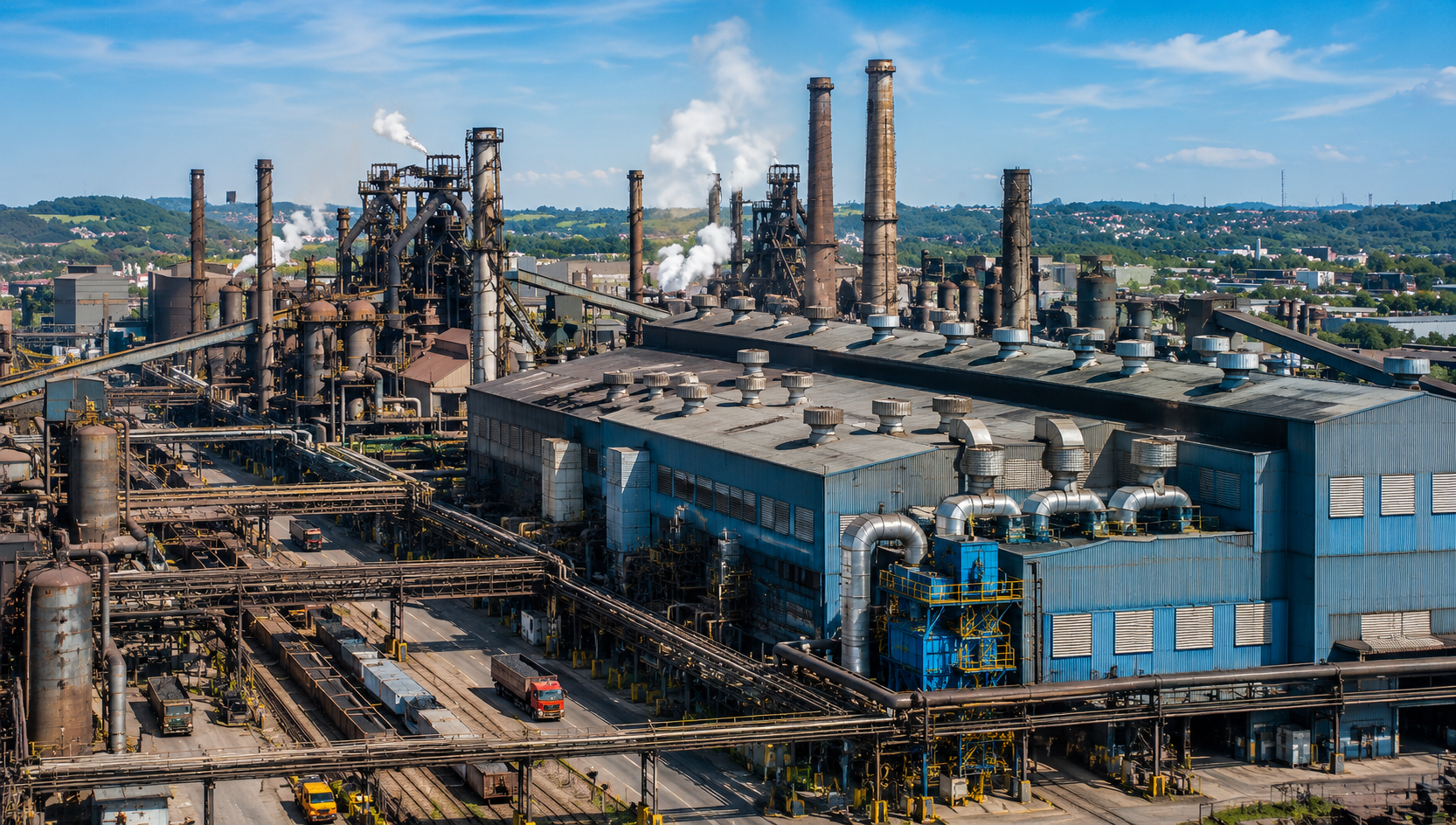
In heavy fabrication and engineering, ventilation systems must handle dust, heat, and fumes simultaneously. Automotive plants rely on precise airflow for painting and machining processes. Food processing and pharmaceutical facilities require controlled environments, leading to continuous airflow demand.
Chemical processing, petrochemical plants, and oil & gas facilities operate in conditions where ventilation systems must run consistently to manage emissions and ensure safety.
In all these industries, inefficient blowers can significantly increase energy consumption
Why Traditional / Outdated Systems Fail
Many facilities still use outdated blower systems that are not designed for energy efficiency.
- Oversized or undersized blowers leading to inefficiency
- Lack of airflow optimization
- High-pressure losses due to poor ducting design
- Continuous operation without load control
- Low-efficiency motors and components
These systems consume more energy while delivering suboptimal performance, making them costly to operate.
How Efficient Industrial Blowers Reduce Energy Consumption
Modern industrial blowers are designed to deliver optimal airflow with minimal energy usage.
They operate with higher efficiency, ensuring that the required airflow is achieved without excessive power consumption. Advanced designs reduce pressure losses and improve air movement across the system.
When integrated with optimized ducting and system design, blowers ensure uniform airflow distribution, reducing the need for overcompensation.
Key features include:
- Energy-efficient motors and aerodynamic designs
- Optimized airflow and pressure management
- Reduced load through system balancing
- Integration with variable speed controls
- Custom selection based on process requirements
This results in lower energy consumption and improved system performance.
What This Means for Your Business
Upgrading to efficient blower systems delivers measurable cost savings and operational benefits.
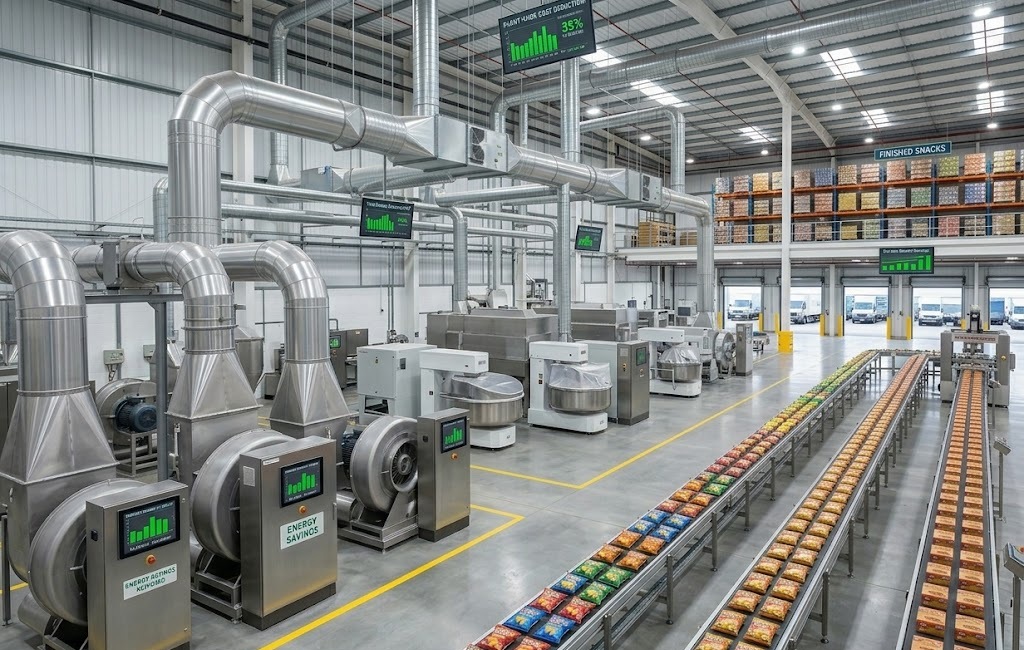
Lower energy consumption directly reduces electricity bills, which is a major advantage for facilities with continuous operations. Improved airflow efficiency also enhances process performance and worker comfort.
From a maintenance perspective, optimized systems reduce wear and tear, extending equipment life and minimizing downtime.
Key benefits include:
- Reduced energy costs and operational expenses
- Improved airflow and system efficiency
- Lower maintenance and downtime
- Enhanced productivity and working conditions
- Long-term cost savings
Edynamics Approach: Engineering for Energy Efficiency
At Edynamics, industrial blower systems are designed with a focus on performance and energy optimization.
Each solution begins with a detailed analysis of airflow requirements, system design, and energy usage. Blowers are carefully selected and integrated to ensure maximum efficiency.
The approach includes:
- Energy-efficient blower selection
- Optimized ducting and airflow design
- System balancing for uniform performance
- Integration with advanced control systems
This ensures reduced energy consumption without compromising performance.
Use Cases Across Industries
In fabrication units, efficient blowers reduce energy use while managing dust and heat.
In automotive plants, they optimize airflow for painting and machining.
In pharmaceutical facilities, they maintain controlled environments with lower power consumption.
In food processing units, they improve ventilation while supporting hygiene.
In chemical plants, they manage emissions efficiently with reduced energy load
Don’t Ignore This Cost
Energy inefficiencies often go unnoticed until costs escalate.
Common warning signs include:
- Rising electricity bills
- Uneven airflow across the facility
- Overworked ventilation systems
- Frequent maintenance issues
Ignoring these signs can lead to significant long-term expenses.
Upgrade to Energy-Efficient Blower Systems
Energy efficiency is no longer just an operational goal—it is a competitive advantage. Poor ventilation systems can silently increase costs and reduce efficiency.
By investing in modern industrial blowers, businesses can achieve better airflow, lower energy consumption, and improved operational performance.
In today’s industrial environment, efficient air movement is key to sustainable and cost-effective operations.