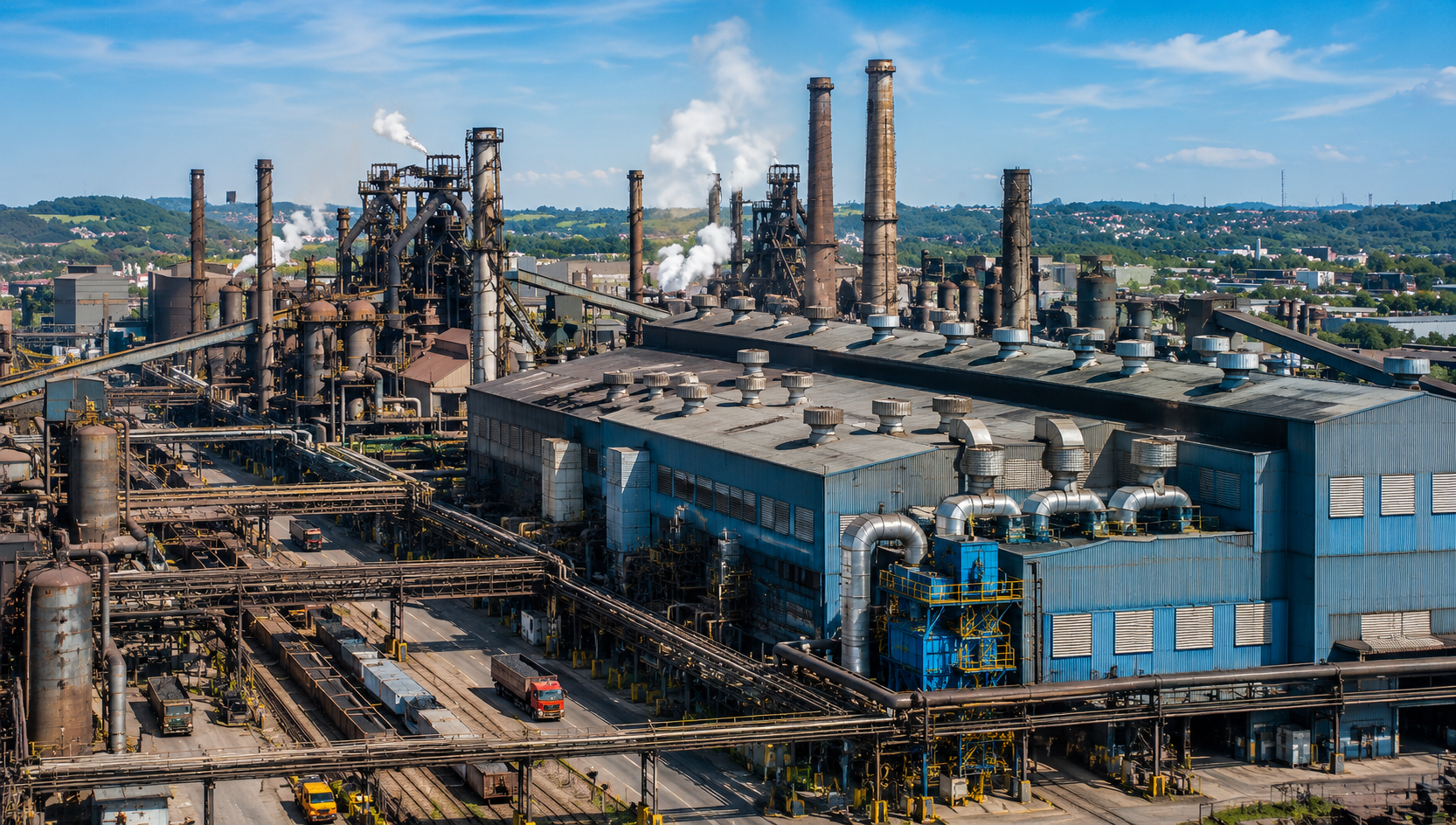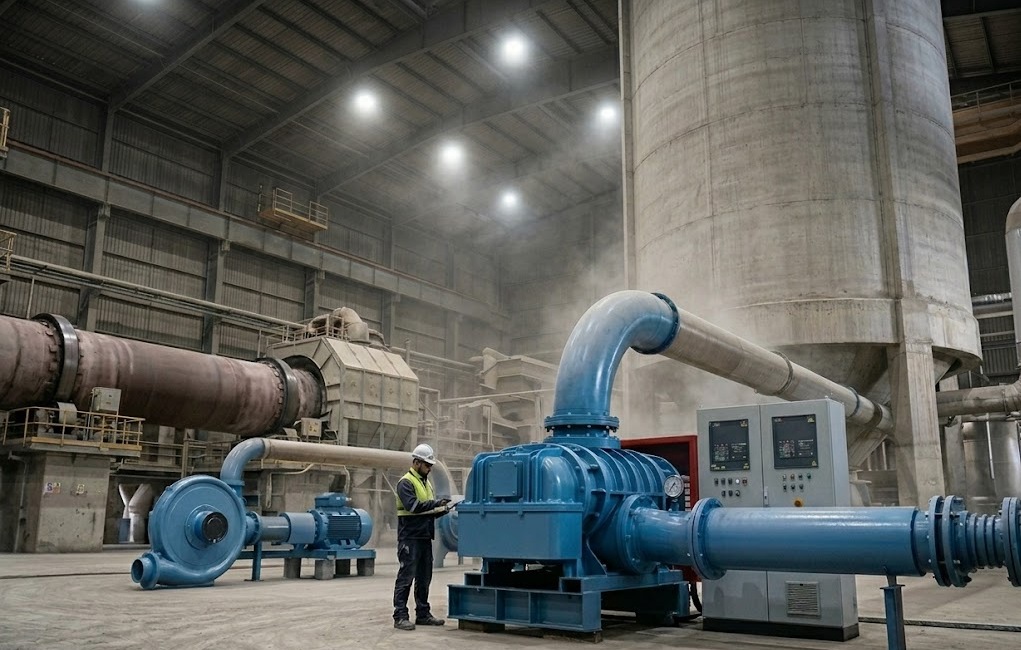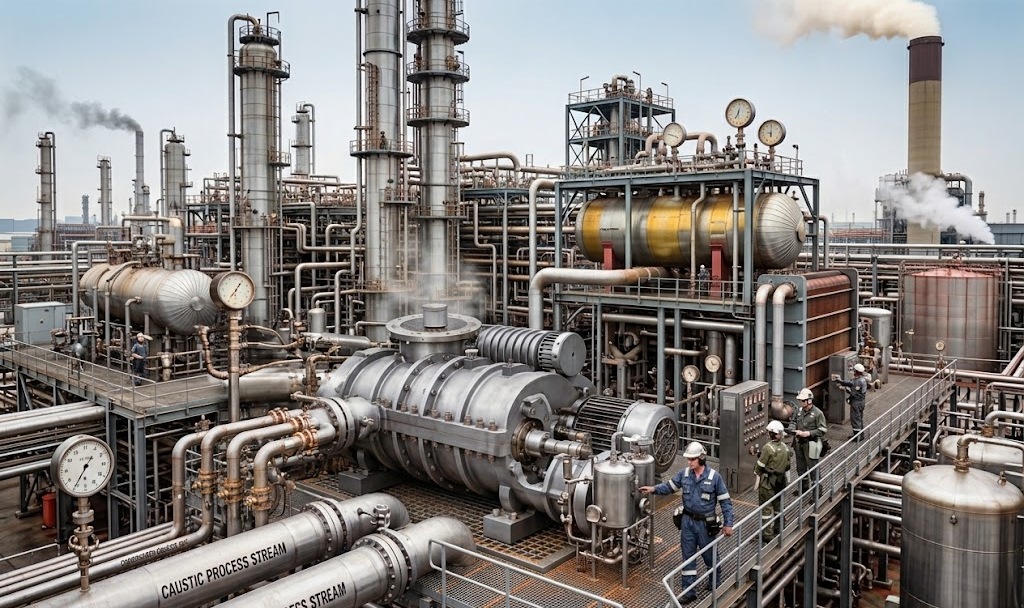

Industrial environments are rarely clean or controlled. In sectors like heavy fabrication, automotive manufacturing, chemical processing, petrochemical plants, oil & gas facilities, and rubber & tyre manufacturing, airflow systems are constantly exposed to dust, high temperatures, and corrosive gases.
These conditions place extreme stress on standard ventilation equipment. Industrial blowers, which form the backbone of air movement systems, must operate reliably despite continuous exposure to abrasive particles, heat loads, and chemically aggressive environments.
When blowers are not engineered for such harsh conditions, performance drops, failures increase, and operational risks rise. This makes application-specific, rugged blower design critical for maintaining safe and efficient operations.
The Real Impact of Harsh Operating Conditions
Dust, heat, and corrosive gases can significantly degrade blower performance over time.
Dust particles cause abrasion on blades and internal components, reducing efficiency and leading to frequent maintenance. High temperatures affect motor performance and reduce equipment lifespan. Corrosive gases can damage materials, leading to structural weakening and failure.
These issues directly impact operational reliability and cost.
- Abrasion and wear due to dust exposure
- Overheating and reduced blower efficiency
- Corrosion of components and structural damage
- Increased maintenance and downtime
- Risk of sudden equipment failure
Over time, these challenges result in higher operational costs and reduced system reliability.
Where This Problem Is Most Critical
Harsh conditions are most common in industries with heavy processing and chemical exposure.
In heavy fabrication and engineering, grinding and cutting generate large volumes of dust and heat. Automotive plants deal with fumes and thermal loads during coating and machining processes.
Chemical and petrochemical industries face continuous exposure to corrosive gases, while oil & gas facilities handle volatile and aggressive emissions. Rubber and tyre manufacturing units generate both heat and fumes during curing processes.
In these environments, standard blower systems are not sufficient to handle the operational demands.
Why Traditional / Outdated Systems Fail
Conventional blowers are typically not designed for extreme industrial conditions.
- Use of standard materials that corrode easily
- Inadequate protection against dust abrasion
- Poor heat resistance
- Lack of sealing and protective coatings
- Reduced performance under continuous load
These limitations lead to frequent breakdowns and inconsistent airflow.
How Fume Extraction Systems Solve This
Modern systems control fumes at the source and treat them effectively.
- Source-level extraction captures fumes instantly
- Advanced filtration (carbon filters, scrubbers) neutralizes chemicals
- Emission control ensures regulatory compliance
- Safe handling and disposal of contaminants
- Risk-based design tailored to industry and process
This ensures cleaner air and safer working conditions.
How Engineered Industrial Blowers Perform in Harsh Conditions
Industrial blowers designed for harsh environments incorporate specialized engineering features to ensure durability and performance.
Material selection is critical. Blowers are constructed using corrosion-resistant materials and protective coatings to withstand chemical exposure. In high-dust environments, wear-resistant designs and reinforced components help reduce abrasion.
For high-temperature applications, blowers are equipped with heat-resistant components and cooling mechanisms to maintain efficiency. Sealing and system design ensure that internal components are protected from contaminants.
In integrated systems, blowers work alongside dust and fume extraction units, ensuring continuous removal of pollutants while maintaining airflow stability.
Key design features include:
- Corrosion-resistant construction
- Abrasion-resistant components for dust-heavy environments
- High-temperature tolerance
- Sealed and protected internal systems
- Custom design based on process conditions
This ensures consistent performance even in the most demanding conditions.
What This Means for Your Business
Using blowers designed for harsh conditions delivers long-term operational benefits.
Reliable airflow ensures that dust, heat, and gases are effectively managed, improving both safety and productivity. Reduced equipment wear leads to lower maintenance costs and fewer breakdowns.
From a financial perspective, durable systems reduce the need for frequent replacements, delivering better return on investment. From a compliance standpoint, consistent performance helps meet environmental and safety standards.
Key benefits include:
- Improved system reliability
- Reduced maintenance and downtime
- Enhanced safety and operational stability
- Longer equipment lifespan
- Better compliance with industry regulations
Edynamics Approach: Built for Industrial Realities
At Edynamics, industrial blower systems are engineered specifically for challenging environments.
Each solution is developed based on a detailed understanding of process conditions, including dust load, temperature, and chemical exposure. Blowers are selected and designed to withstand these conditions while maintaining optimal performance.
The approach includes:
- Application-specific material and design selection
- Integration with dust and fume extraction systems
- Focus on durability and efficiency
- Compliance-driven engineering
This ensures that systems are not only effective but also built to last.
Use Cases Across Industries
In fabrication units, blowers handle dust and high heat from grinding operations.
In automotive plants, they manage fumes and thermal loads.
In chemical plants, they operate in corrosive gas environments.
In oil & gas facilities, they support safe ventilation in hazardous conditions.
In rubber manufacturing, they control heat and vapor emissions.
Don’t Ignore These Conditions
Signs your blower system is not suited for harsh environments include:
- Frequent breakdowns or maintenance
- Reduced airflow efficiency
- Visible corrosion or wear
- Overheating equipment
Ignoring these issues can lead to operational disruptions and higher costs.
Explore Heavy-Duty Industrial Blower Solutions
Industrial environments are demanding, and airflow systems must be built to handle real-world conditions. Dust, heat, and corrosive gases can quickly degrade standard equipment, leading to inefficiency and risk.
Engineered industrial blowers provide the durability and performance needed to operate reliably in harsh conditions.
In modern manufacturing, resilience is not optional—it is essential for sustained performance and long-term success.