The Global Shift from Cooling Factories to Engineering Airflow
Every summer, headlines across Europe tell the same story:
“Record-breaking heat.”
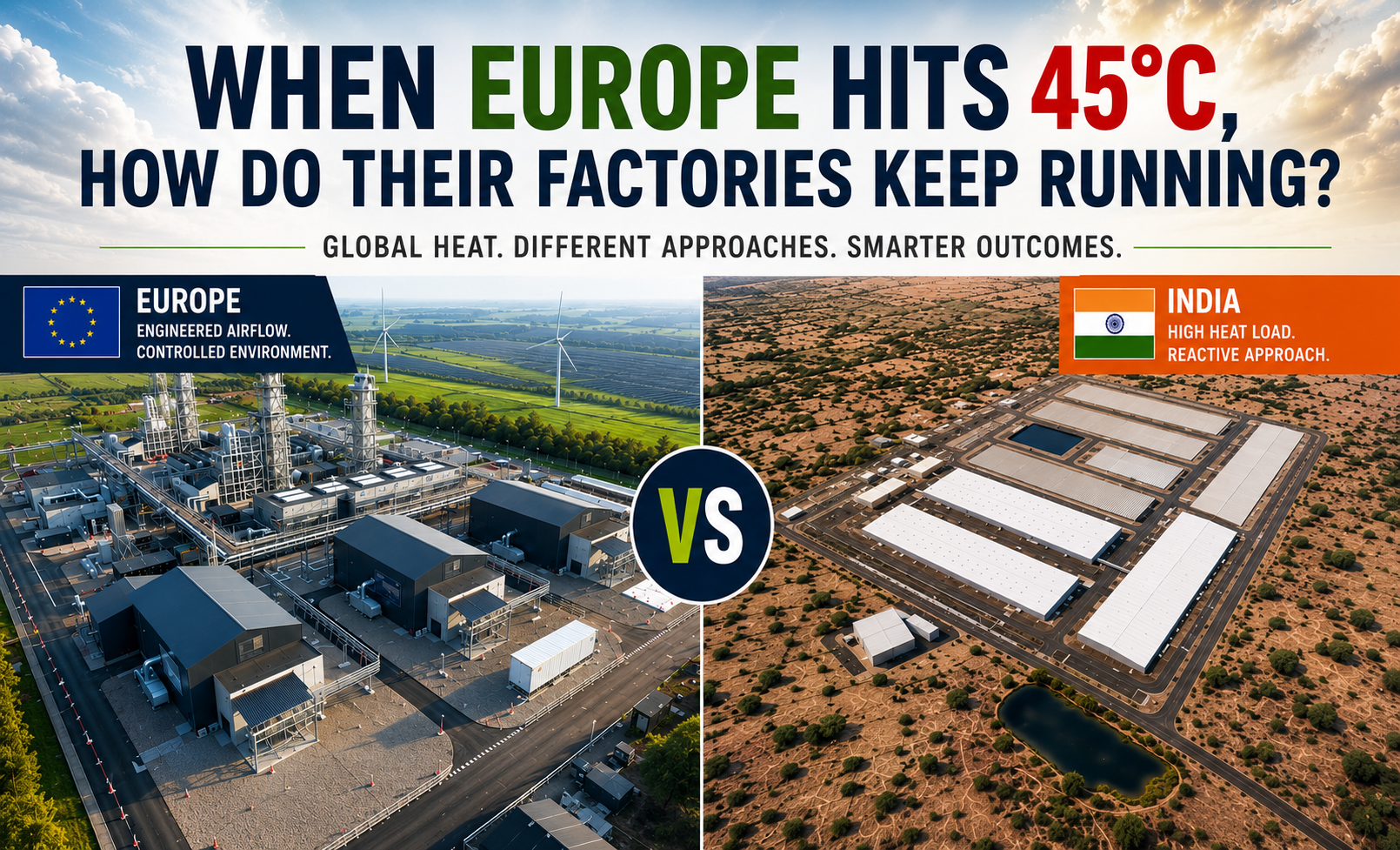
Countries like Spain, France, Italy, Germany, and the United Kingdom—once known for relatively mild summers—are now experiencing temperatures above 40°C, with some regions approaching 45°C during extreme heatwaves. Recent studies warn that heat is no longer just a weather event; it is becoming a significant business risk, affecting manufacturing productivity, energy consumption, and worker safety.
Yet many European manufacturing plants continue operating safely and efficiently.
The obvious question is:
How do they keep production running when outdoor temperatures soar?
The answer isn’t simply installing larger air conditioners.
It’s engineering the factory’s airflow.
Heat Is an Operational Challenge—Not Just a Comfort Issue
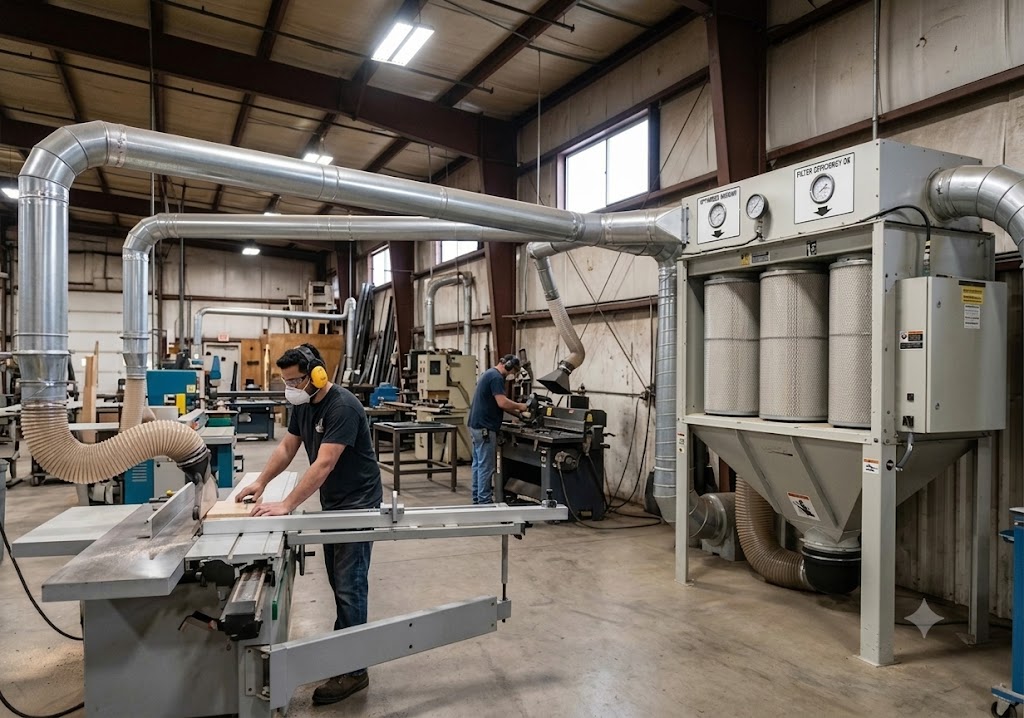
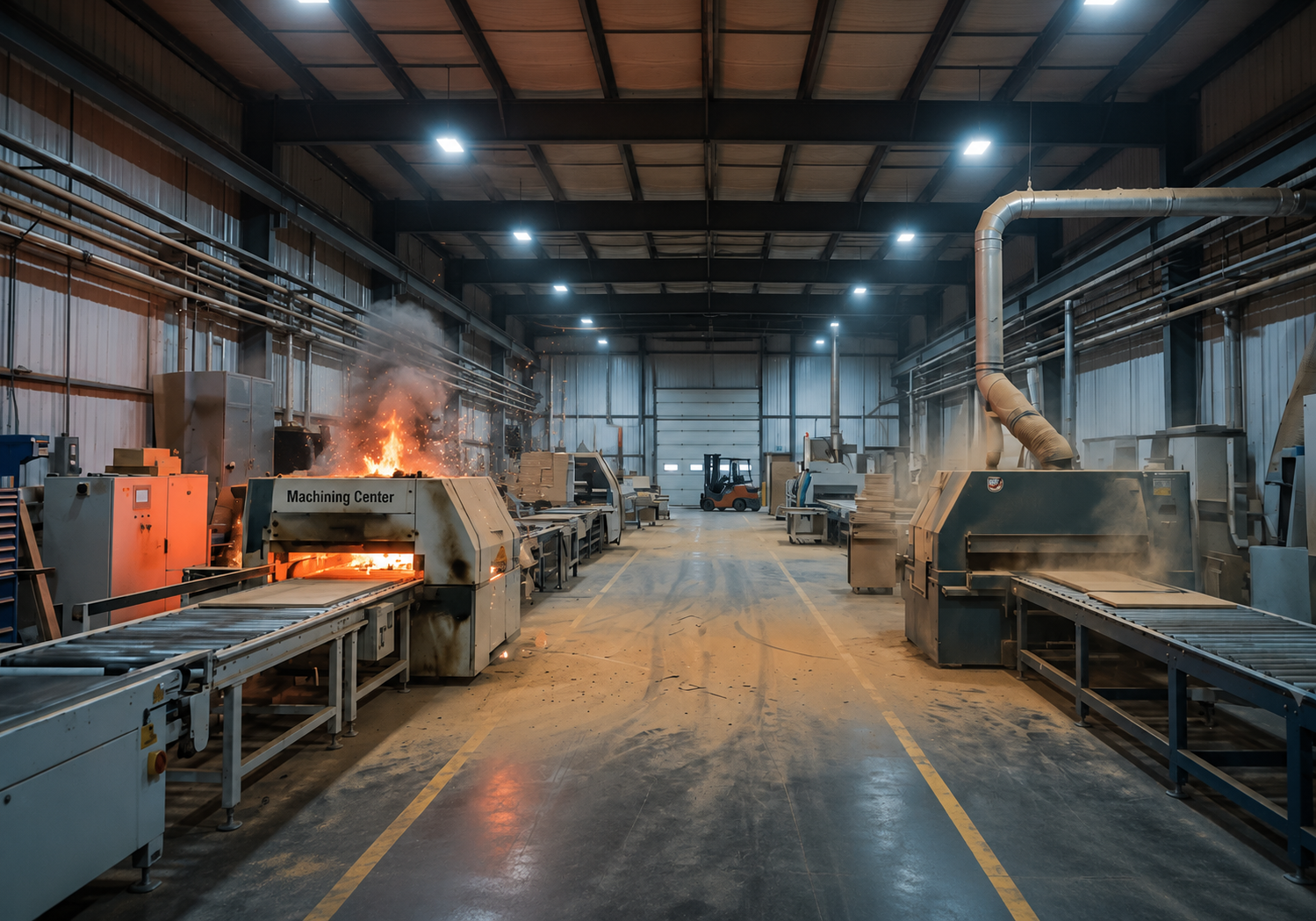
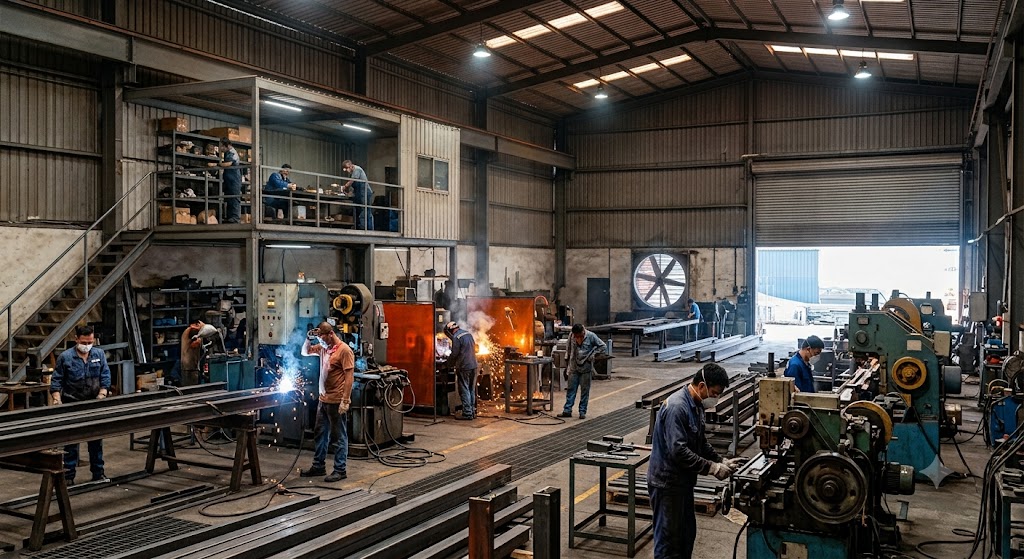
Every manufacturing facility continuously generates heat from:
- Welding operations
- Furnaces and ovens
- Compressors
- CNC machiness
- Boilers
- Process equipment
- Lighting systems
- Solar heat absorbed by the roof
In many factories, this heat naturally rises and becomes trapped beneath the roof. Without an engineered escape path, it creates a layer of superheated air that gradually radiates downward onto the production floor.
The result is familiar:
- Employees tire more quickly.
- Machines operate under higher thermal loads.
- Product quality becomes harder to maintain.
- Cooling costs increase.
Adding more circulation fans may improve air movement—but moving hot air is not the same as removing heat.
The Business Impact of Heat
The numbers are becoming difficult for manufacturers to ignore.
According to the International Labour Organization (ILO):
- 2.2% of global working hours could be lost by 2030 because of heat stress.
- That’s equivalent to more than 80 million full-time jobs.
- The projected global economic impact exceeds US$2.4 trillion annually.
More recent economic analysis during Europe’s 2026 heatwaves suggests that even a four-day extreme heat event could reduce quarterly labour productivity growth by up to 2 percentage points across parts of Western Europe if businesses fail to adapt.
Heat is no longer just an environmental issue.
It is an operational and financial one.
How European Manufacturers Respond
Instead of trying to cool millions of cubic metres of factory space, many European industries first focus on removing excess heat.
Their strategy typically includes:
✔ Roof exhaust ventilation
✔ Fresh-air make-up systems
✔ Insulated and reflective roofing
✔ Local exhaust systems for heat-generating processes
✔ Continuous temperature and airflow monitoring
✔ Heatwave operating procedures
✔ Flexible production schedules during peak temperatures
Their philosophy is straightforward:
Remove the heat before trying to cool the people.
This approach improves thermal comfort while reducing dependence on energy-intensive cooling systems.
Heat Management Is Also About Compliance
Across Europe, heat stress is increasingly treated as an occupational health and safety issue.
Manufacturers are expected to assess workplace risks and implement appropriate engineering controls before relying on administrative measures alone.
Typical compliance measures include:
- Workplace heat risk assessments
- Ventilation improvements
- Hydration stations
- Scheduled rest breaks
- Heat monitoring
- Worker awareness programmes
- Emergency response plans during heatwaves
The focus is not merely responding to hot days—it is designing workplaces that remain safe during increasingly frequent extreme weather.
The Indian Manufacturing Reality
India has lived with high temperatures for decades.
However, today’s challenge is different.
Longer summers, more frequent heatwaves, and higher peak temperatures are placing unprecedented pressure on industrial facilities.
Many factories still rely primarily on:
- Pedestal fans
- Wall-mounted fans
- Open shutters
- Temporary cooling arrangements
These methods improve air movement.
They rarely eliminate trapped heat.
As a result, factories often experience:
- Higher indoor temperatures
- Worker fatigue
- Reduced operational efficiency
- Increased equipment stress
- Greater energy consumption
The challenge is no longer whether Indian factories need ventilation.
The challenge is whether they are using engineered ventilation.
Moving Air vs. Managing Air
There is an important engineering distinction.
Fans move air.
Ventilation removes heat.
An engineered ventilation system is designed to:
- Extract accumulated hot air from the highest point of the building.
- Introduce fresh replacement air through planned inlets.
- Maintain balanced airflow throughout the facility.
- Remove contaminants together with excess heat.
- Reduce the thermal load on workers and equipment.
The objective is not simply increasing airflow.
The objective is controlling the factory’s internal environment.
Where eDynamics Creates Value
At eDynamics, we believe industrial ventilation begins with engineering—not equipment selection.
Every project starts by understanding:
- Heat load generated by the process
- Building dimensions
- Air Changes per Hour (ACH)
- Airflow pathways
- Fresh air requirements
- Worker occupancy
- Dust, fumes, and process emissions
Based on these parameters, we design complete industrial ventilation systems that can:
- Remove trapped roof heat
- Improve indoor air quality
- Reduce worker heat stress
- Enhance equipment reliability
- Support energy-efficient factory operations
- Align with internationally recognised ventilation and occupational safety practices
Because every factory is different, every airflow solution should be different.
Your factory has unique challenges. Let's engineer the right solution together.
Europe isn't responding to heatwaves by adding more air conditioners. It's redesigning factories to remove heat more efficiently. As India's manufacturing sector faces longer and hotter summers, the opportunity is clear: move beyond temporary cooling and embrace engineered airflow.
Climate change is changing the way factories are designed.
The manufacturers that remain competitive won’t simply install more cooling equipment.
They will:
- Engineer airflow.
- Control heat at its source.
- Protect their workforce.
- Improve operational resilience.
- Reduce long-term energy costs.
The future of manufacturing is not about bigger fans.
It is about smarter ventilation.