“A factory’s biggest operational challenge is often the one nobody can see.”
Walk into any manufacturing facility and you’ll immediately notice the obvious things — machines running continuously, workers moving between stations, forklifts transporting materials, supervisors monitoring production, and targets being chased every hour.
But behind all this visible activity, another system quietly shapes everyday factory performance.
The industrial environment.
Not the machines.
Not the software.
Not the production schedule.
The environment surrounding operations every single day.
Heat trapped beneath factory roofs.
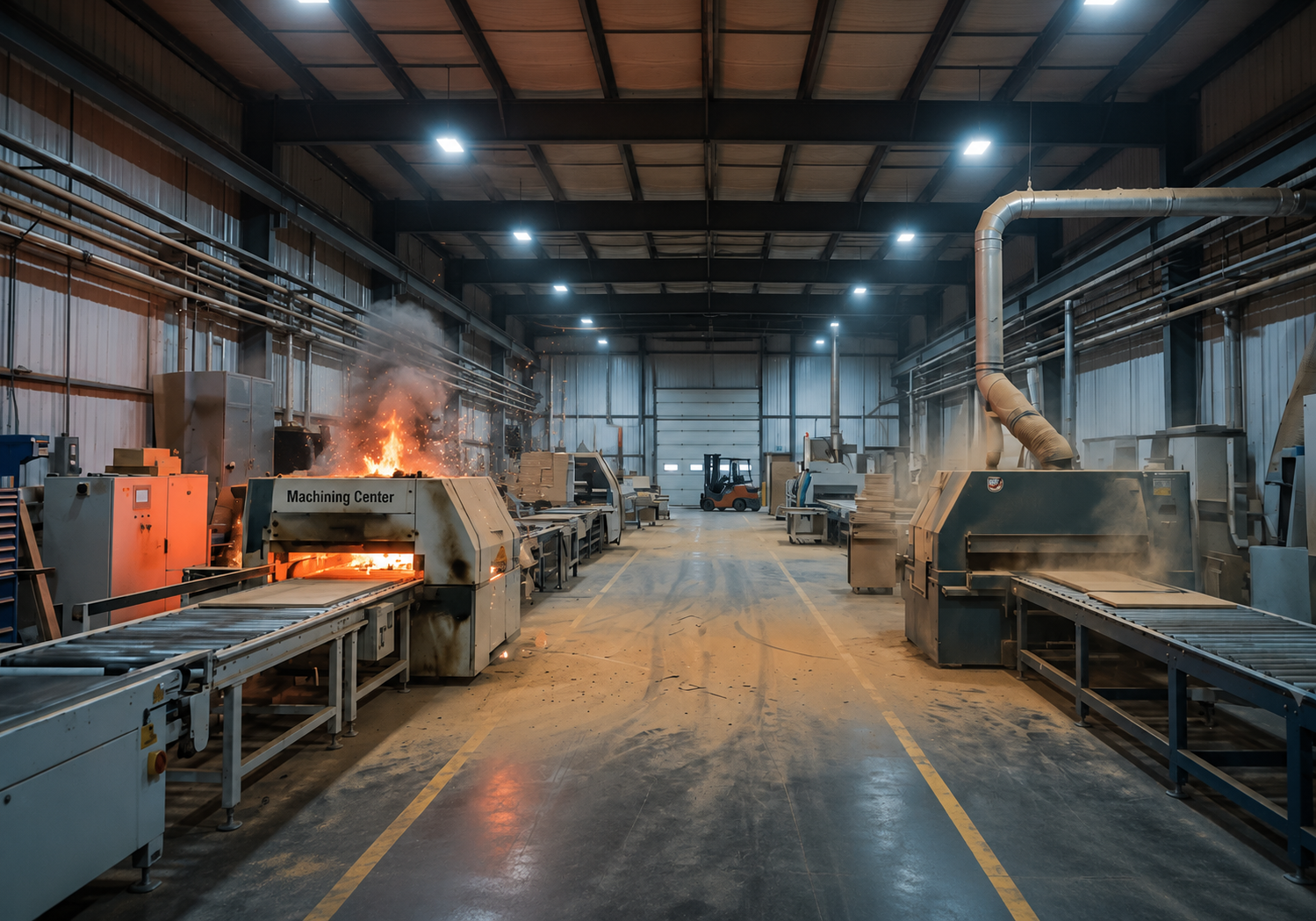
Dust circulating through workstations.
Fumes spreading across production zones.
Poor airflow creating stagnant areas.
Uneven ventilation making some departments difficult to work in.
These issues build gradually, often unnoticed, until productivity, maintenance, and worker comfort begin to suffer.
And by then, most industries have already normalized the problem.
Heat,the Silent Productivity Killer in Manufacturing Facilities
Industrial heat is one of the most underestimated challenges inside manufacturing plants.
Heat comes from:
Furnaces
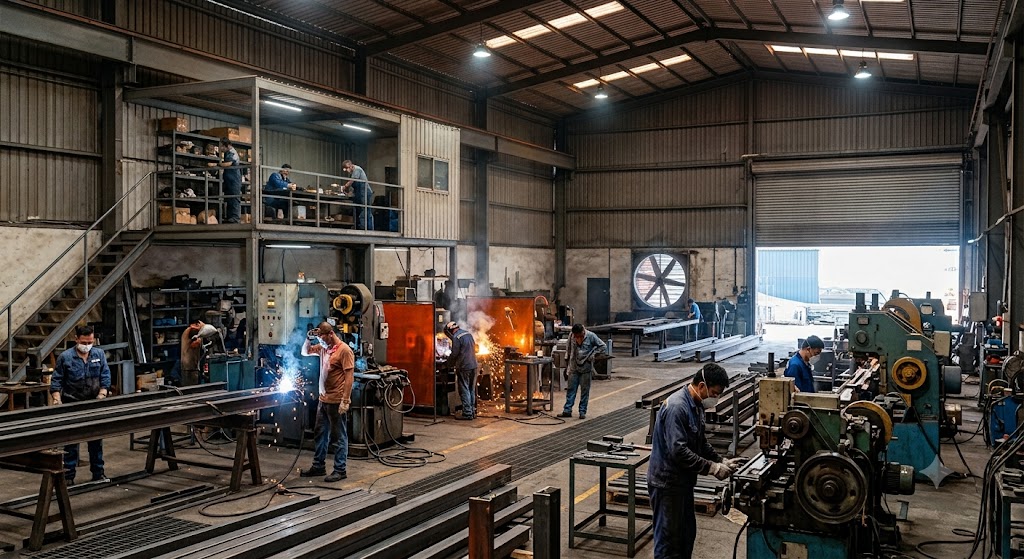
Welding operations
Compressors
Process equipment
Injection molding machines
Roof radiation
Heavy machinery
Without proper heat extraction, this heat keeps accumulating throughout the day.
The result?
Workers become fatigued faster.
Concentration levels reduce.
Production slows during peak hours.
Operators require more breaks.
Certain workstations become uncomfortable and unsafe over long shifts.
In industries like foundries, fabrication units, automotive plants, and heavy engineering facilities, heat directly affects operational consistency.
“Machines can tolerate heat longer than people can.”
Dust Management: A Key Factor in Safer and More Efficient Operations
Dust is not just a housekeeping issue.
Industrial dust spreads rapidly through airflow pathways and settles across:
Electrical panels
Motors
Bearings
CNC machines
Operator workstations
Production equipment
Fine dust particles remain suspended in the air for long durations, making them difficult to fully control without proper extraction systems.
Over time, this leads to:
✔ Frequent maintenance
✔ Equipment contamination
✔ Reduced machine lifespan
✔ Blocked filters
✔ Poor indoor air quality
✔ Constant cleaning cycles
Many industries clean daily but still struggle because the source of dust generation is never fully controlled.
Managing Fume Exposure: Protecting People, Productivity, and Compliance
Processes such as:
Welding
Soldering
Chemical processing
Laser cutting
Thermal operations
generate fumes continuously during production.
The challenge is that fumes rarely remain confined to their source.
Without effective extraction systems:
Fumes spread across departments
Visibility reduces
Air quality deteriorates
Workers remain exposed for long hours
Ventilation systems become ineffective
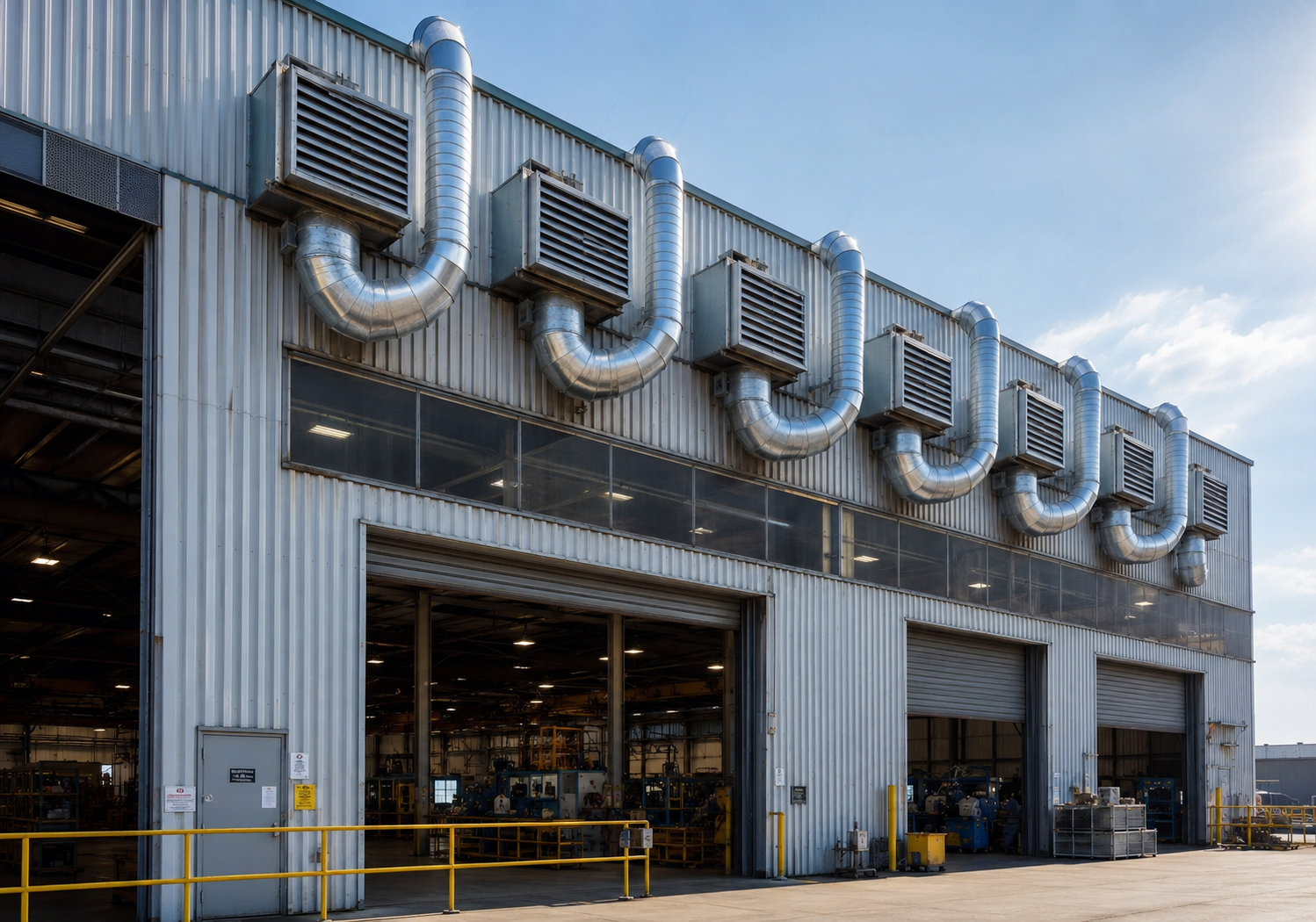
In many factories, exhaust fans exist — but airflow itself is never engineered properly.
And that makes all the difference.
Airflow: The Hidden Engineering Challenge Behind Industrial Performance
Many industries assume airflow simply means “installing more fans.”
But industrial airflow is much more complex.
Large shop floors, high roofs, machine placement, process heat, wall openings, and ventilation pathways all influence how air behaves inside a factory.
Poor airflow creates:
Hot air pockets
Dead zones
Uneven ventilation
Dust recirculation
Worker discomfort
Reduced ventilation efficiency
Sometimes ventilation equipment exists, but air still doesn’t move correctly through the building.
The Hidden Business Impact of Industrial Environmental Conditions
Industrial environmental problems affect far more than comfort.
They directly influence:
✔ Productivity
✔ Worker efficiency
✔ Machine reliability
✔ Energy consumption
✔ Maintenance frequency
✔ Product quality
✔ Safety standards
✔ Operational stability
Factories often invest heavily in machinery upgrades while ignoring the environment surrounding those machines every day.
But even advanced equipment struggles in uncontrolled industrial conditions.
Factory Reality Check: The Hidden Environmental Factors Shaping Productivity, Safety, and Profitability
Ask Yourself:
Does your shop floor feel hotter every year?
Do workers complain about airflow?
Is dust returning immediately after cleaning?
Do welding fumes spread beyond workstations?
Are some areas difficult to work in during afternoons?
Are maintenance teams cleaning equipment frequently?
If the answer is “yes” to multiple questions, the industrial environment may already be affecting production more than expected.
Let’s Improve Your Industrial Environment
“Factories don’t only run on machines.
They run on the conditions surrounding those machines.”
The hidden industrial environment quietly influences every shift, every worker, and every machine.
The industries that recognize and improve these invisible conditions today will build safer, more efficient, and more sustainable operations tomorrow.