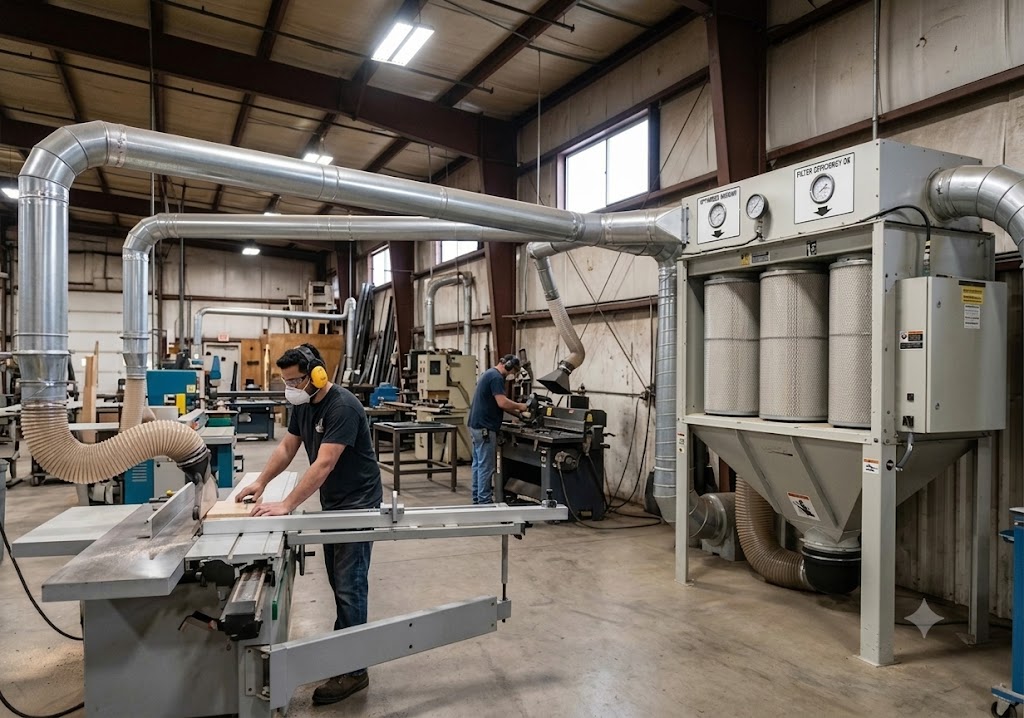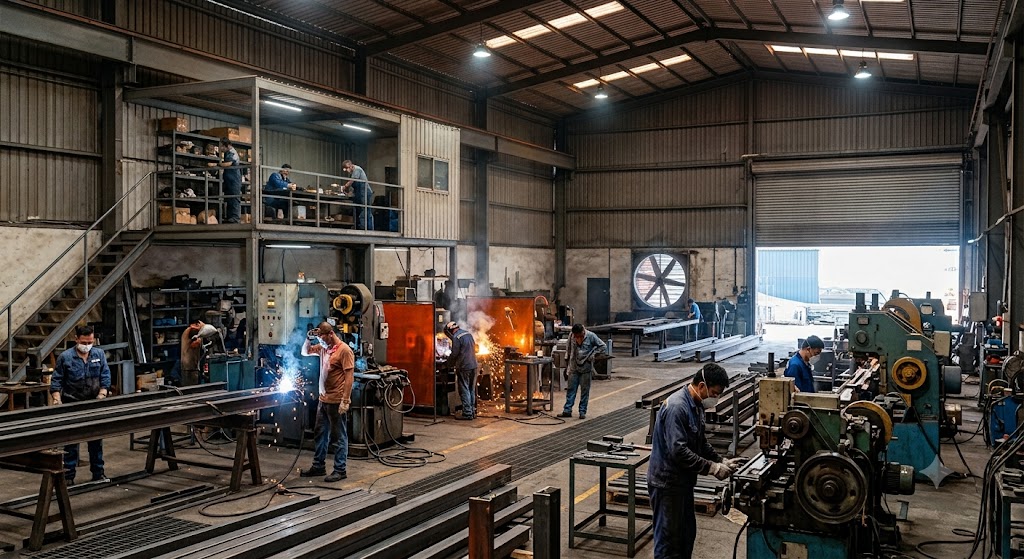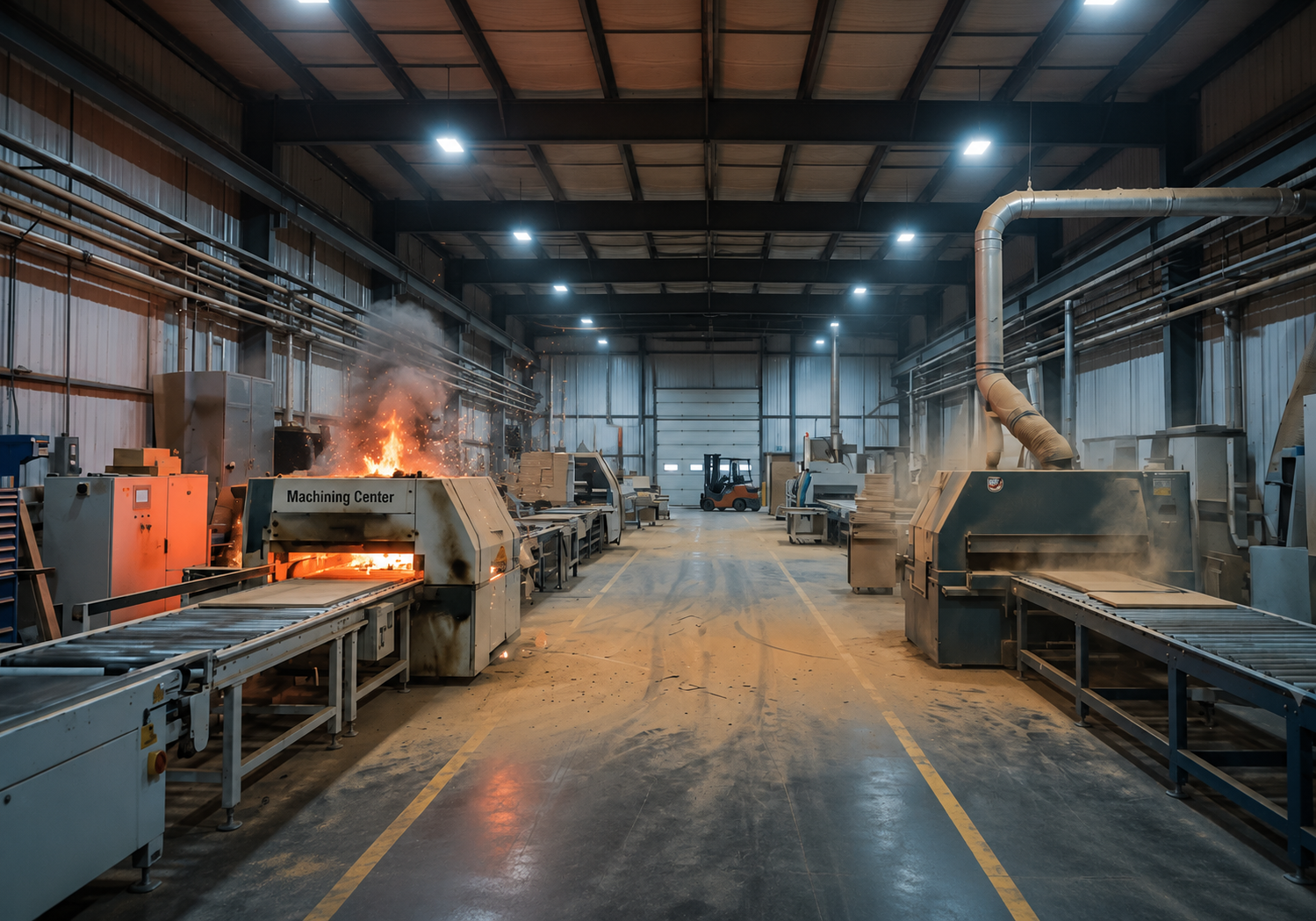
Dust is often viewed as a housekeeping issue, but under the right conditions, it can become one of the most serious safety hazards in a manufacturing facility.
Combustible dust has been responsible for devastating incidents across industries, causing injuries, equipment damage, production losses, and costly downtime.
The encouraging news is that these incidents are largely preventable through good engineering, proper housekeeping, and effective dust collection.
In this edition, we explore what every manufacturing plant should know about combustible dust—and the practical steps to reduce risk.
What Is a Dust Explosion?
A dust explosion occurs when fine combustible dust particles become suspended in the air and encounter an ignition source in a confined or partially enclosed space.
Unlike settled dust, airborne dust has a much larger surface area exposed to oxygen, allowing it to burn extremely rapidly and create a pressure wave.
The Dust Explosion Pentagon
A dust explosion requires five elements:
- Combustible dust
- Oxygen
- An ignition source (spark, hot surface, static electricity, etc.)
- Dust dispersed in the air
- A confined or enclosed space
Remove any one of these elements, and the risk of a dust explosion is significantly reduced.
Industries Most at Risk
Combustible dust hazards can exist in many sectors, including:
- Woodworking and furniture manufacturing
- Food and flour processing
- Grain handling
- Pharmaceuticals
- Chemical manufacturing
- Metal fabrication (especially aluminum and magnesium dust)
- Rubber and plastics
- Textile manufacturing
If your process creates fine combustible particles, your facility should evaluate its dust management practices.
A Small Dust Leak, A Big Wake-Up Call
A metal fabrication facility noticed fine aluminum dust accumulating on structural beams despite having a dust collection system in place.
An engineering assessment revealed:
- Worn flexible duct connections
- Reduced airflow due to clogged filters
- Dust escaping around poorly sealed joints
- Irregular maintenance schedules
The plant upgraded the duct seals, restored proper airflow, replaced filters, and strengthened preventive maintenance.
The Result
✔ Improved dust capture
✔ Cleaner work environment
✔ Reduced dust accumulation
✔ Enhanced confidence in workplace safety
Lesson: Small maintenance issues can lead to significant safety risks if left unaddressed.
Quick Self-Assessment
Ask yourself:
☐ Is fine dust accumulating on rafters, beams, or cable trays?
☐ Do employees frequently clean settled dust from machinery?
☐ Are dust clouds visible during production or cleaning?
☐ Is your dust collection system inspected and maintained regularly?
☐ Have ignition sources been identified and controlled?
If you answered “Yes” to the first three questions or “No” to the last two, it’s a good time to review your dust hazard controls.
Did You Know?
A secondary dust explosion can be far more destructive than the initial event. The first explosion can disturb layers of settled dust, creating a larger dust cloud that ignites moments later.
Is Your Plant Prepared for Combustible Dust Risks?
An effective dust collection system is just one part of a comprehensive dust hazard strategy.
At eDynamics, we help manufacturers design and optimize dust collection systems that support cleaner operations, improved air quality, and safer workplaces.