It’s a familiar scene in many manufacturing plants.
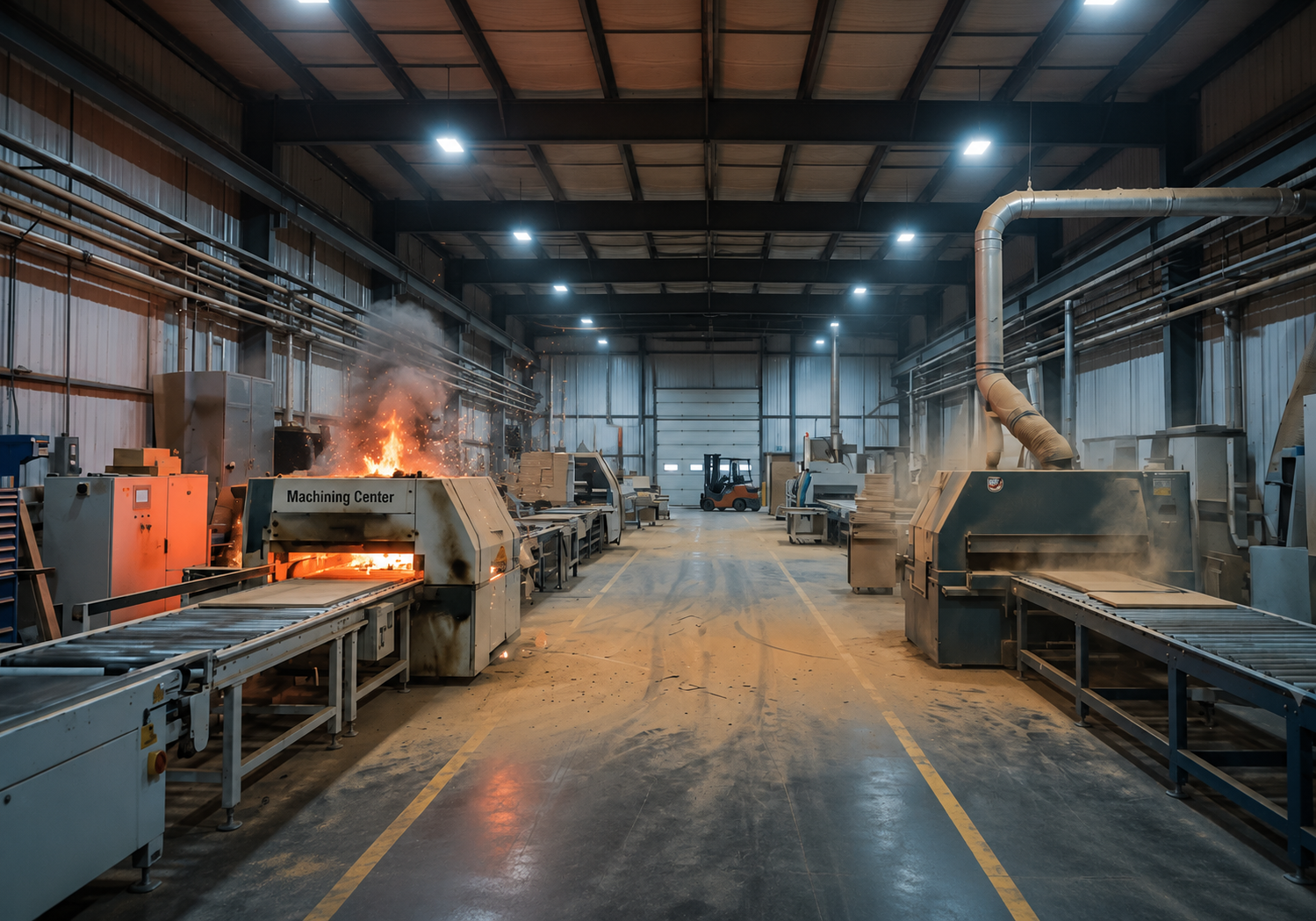
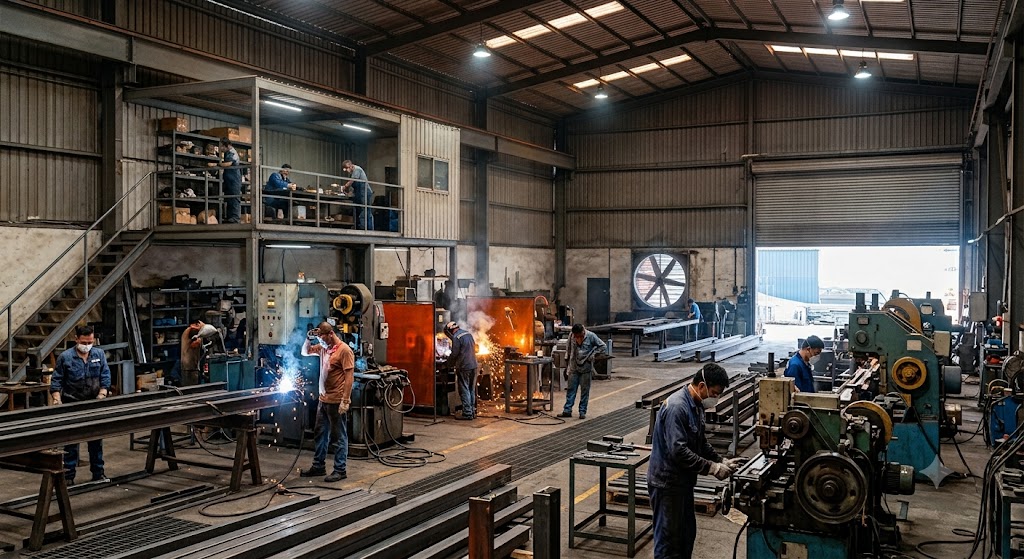
By mid-afternoon, the production floor becomes increasingly uncomfortable. Workers slow their pace, supervisors notice a drop in energy, and machines continue radiating heat into the workspace.
Ironically, when someone steps outside for a break, they often remark:
“It actually feels cooler outside than inside the factory.”
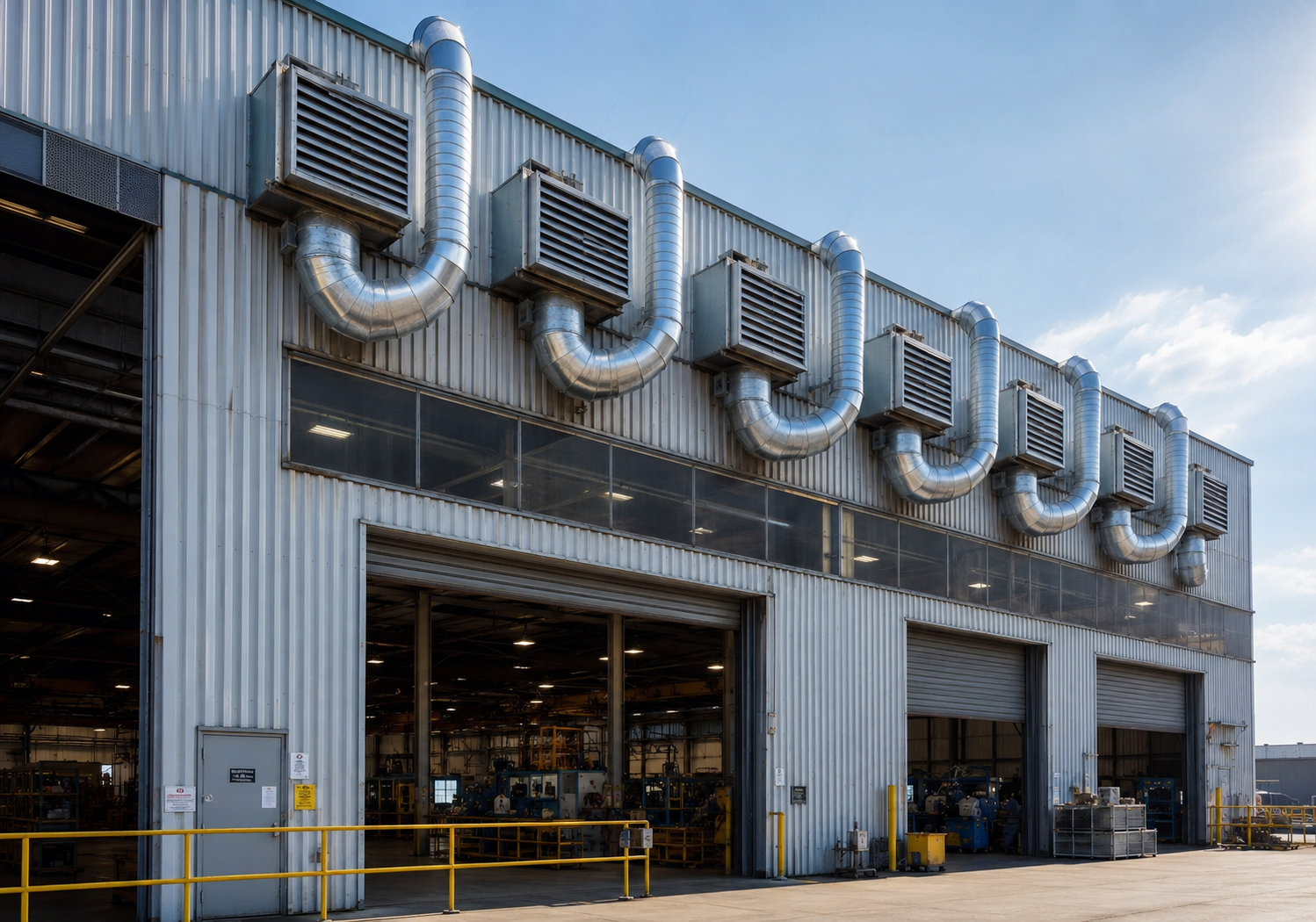
How can a building designed for industrial production become hotter than the outdoor environment—even with large exhaust fans, roof ventilators, or open shutter doors?
The answer lies in something that cannot be seen:
Airflow.
Heat Is More Than Just Temperature
When people think about factory heat, they usually blame:
- Large production machines
- Furnaces and ovens
- Boilers
- Compressors
- Summer weather
While these certainly contribute, they are only part of the story.
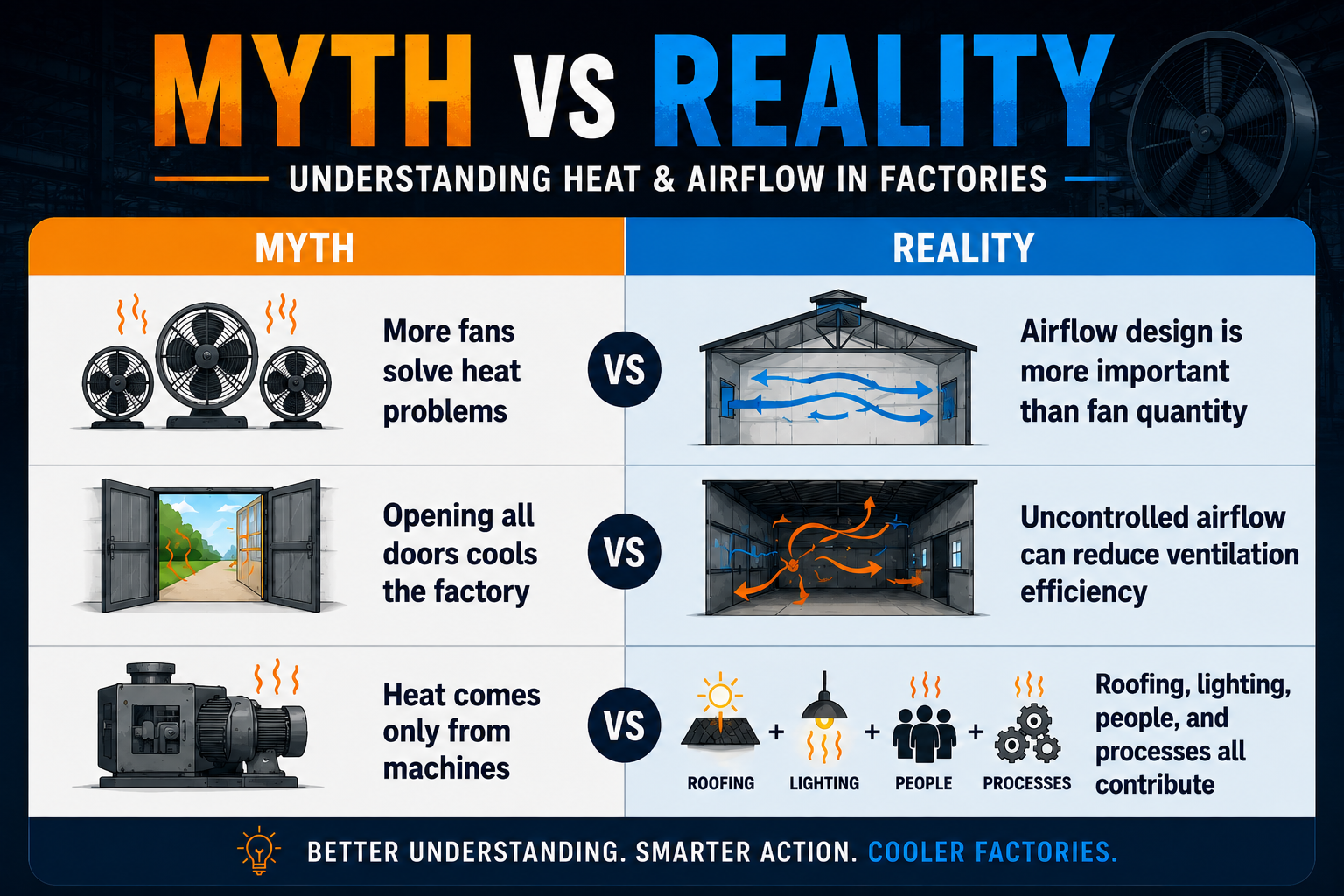
A factory is a constantly changing thermal environment. Every machine, motor, lighting fixture, compressed air line, and roof panel contributes to the heat load.
Without a planned airflow strategy, that heat accumulates faster than it can escape.
Where Does All the Heat Come From?
Heat inside a factory is generated from multiple sources simultaneously.
Machinery
Continuous operation of motors, hydraulic systems, gearboxes, and production equipment releases significant heat.
Roofing
Metal roofing absorbs solar radiation throughout the day and radiates it back into the workspace.
Manufacturing Processes
Processes such as welding, cutting, casting, curing, drying, and mixing produce localized heat.
People
Even workers contribute to the indoor heat load, especially in enclosed production areas.
Lighting
Traditional high-bay lighting can generate considerable heat over long operating hours.
The Four Hidden Reasons Factories Feel Hotter
1. Stagnant Air Zones
Corners, enclosed departments, mezzanine floors, and storage areas often receive very little air movement.
Heat collects in these locations, creating uncomfortable “hot spots.”
2. Poor Fresh Air Intake
Many facilities focus only on exhausting air.
Without sufficient fresh air entering the building, exhaust systems struggle to remove heat effectively.
Air must have a complete path—from entry to exit.
3. Incorrect Ventilation Design
Installing additional fans without understanding airflow patterns often leads to air recirculation rather than heat removal.
More equipment does not always mean better cooling.
4. Roof Heat Accumulation
The roof acts like a giant heat collector.
Without proper roof-level ventilation, this stored heat continues radiating into the factory throughout the day.
How Heat Impacts Operations
Heat doesn’t just make people uncomfortable.
It can affect:
- Worker concentration
- Fatigue levels
- Equipment reliability
- Electrical panel temperatures
- Production consistency
- Maintenance frequency
- Energy consumption
The effects are gradual but significant over time.
Did You Know?
A difference of just a few degrees in the working environment can significantly influence worker comfort, equipment performance, and overall production efficiency over an entire shift.
What is the biggest heat-related challenge in your facility?
- Roof heat
- Hot production floor
- Poor airflow
- Machine-generated heat
- Uneven temperatures
Share your experience in the comments—your insight could become the focus of a future episode of The Invisible Factory.