
Industrial airflow requirements vary widely across processes, environments, and industries. Yet, many facilities continue to rely on standard or improperly selected blower systems, assuming that airflow is a uniform requirement across applications.
In reality, air movement in a heavy fabrication shop is vastly different from what is required in a pharmaceutical cleanroom or a chemical processing plant. Factors such as pressure, airflow volume, temperature, particulate load, and chemical composition all influence how a blower should perform.
Industries including heavy fabrication, automotive, food processing, pharmaceuticals, chemical processing, petrochemical plants, and oil & gas facilities demand highly specific airflow solutions. In such environments, a one-size-fits-all approach to blower selection leads to inefficiencies, safety risks, and increased operational costs.
Application-specific industrial blower design is therefore not just a technical preference—it is essential for performance, reliability, and compliance.
The Real Impact of Incorrect Blower Selection
Using a generic or improperly selected blower system can create multiple operational challenges that affect performance and cost.
Blowers that are not matched to application requirements may either underperform or consume excessive energy. In dust-heavy environments, insufficient airflow can lead to accumulation and poor visibility. In high-pressure systems, inadequate blower capacity can disrupt processes.
In industries such as pharmaceuticals and food processing, improper airflow can compromise hygiene and product quality. In chemical and petrochemical plants, it can lead to unsafe accumulation of gases and vapors.
Key impacts include:
- Inefficient airflow leading to poor process performance
- Increased energy consumption due to overcompensation
- Equipment strain and frequent maintenance
- Safety risks from inadequate ventilation
- Non-compliance with industry standards
These challenges highlight the importance of selecting the right blower for the right application.
Where This Problem Is Most Critical
The consequences of incorrect blower selection are more severe in industries with complex airflow requirements.
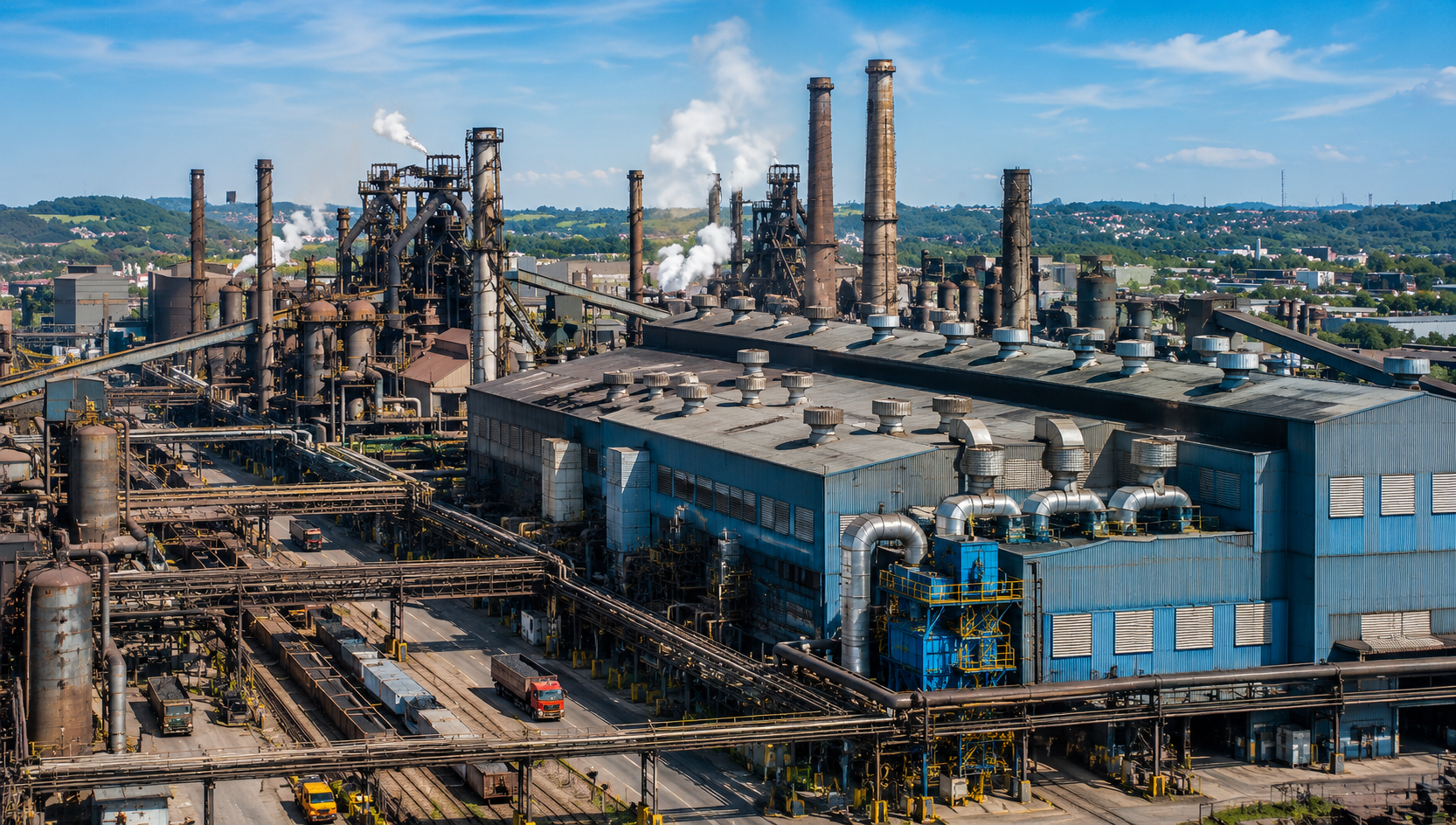
In heavy fabrication and engineering, blowers must handle dust, heat, and fumes simultaneously. Automotive plants require precise airflow for painting and coating operations. Food processing and pharmaceutical industries demand controlled environments to maintain hygiene and prevent contamination.
Chemical processing, petrochemical, and oil & gas facilities deal with hazardous gases that require controlled airflow and pressure management. Rubber and tyre manufacturing units must manage heat and vapor emissions effectively.
In all these sectors, application-specific blower design is essential to ensure safe and efficient operations.
Why Traditional / Outdated Systems Fail
Many facilities rely on standard blower models without considering process-specific requirements.
These systems are often selected based on general capacity rather than detailed analysis. As a result, they fail to deliver consistent performance under real operating conditions.
Common limitations include:
- Lack of customization for specific processes
- Improper balance between airflow and pressure
- Inefficient handling of dust, heat, or gases
- High energy consumption
- Poor integration with existing systems
This results in systems that are inefficient, unreliable, and costly to operate.
How Application-Specific Blower Design Improves Performance
Modern industrial blower systems are designed based on detailed analysis of process requirements and operating conditions.
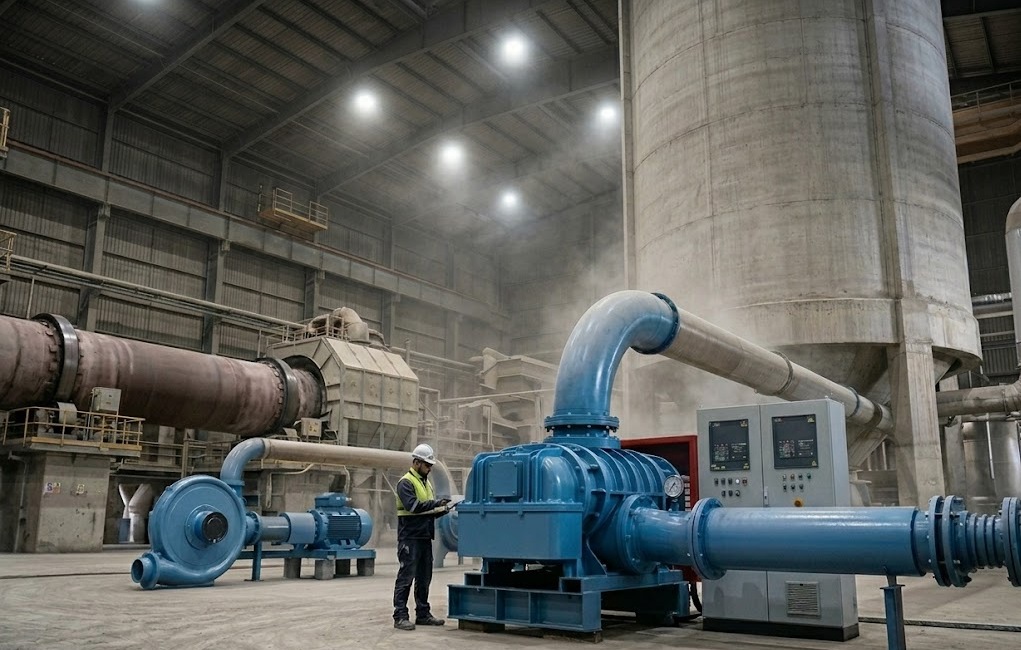
The first step is understanding airflow needs, including volume, pressure, and environmental factors. Based on this, the appropriate type of blower—centrifugal, axial, or high-pressure—is selected.
Blower design is then optimized to handle specific challenges such as dust load, temperature, or corrosive gases. Material selection, blade design, and system configuration are tailored to ensure durability and efficiency.
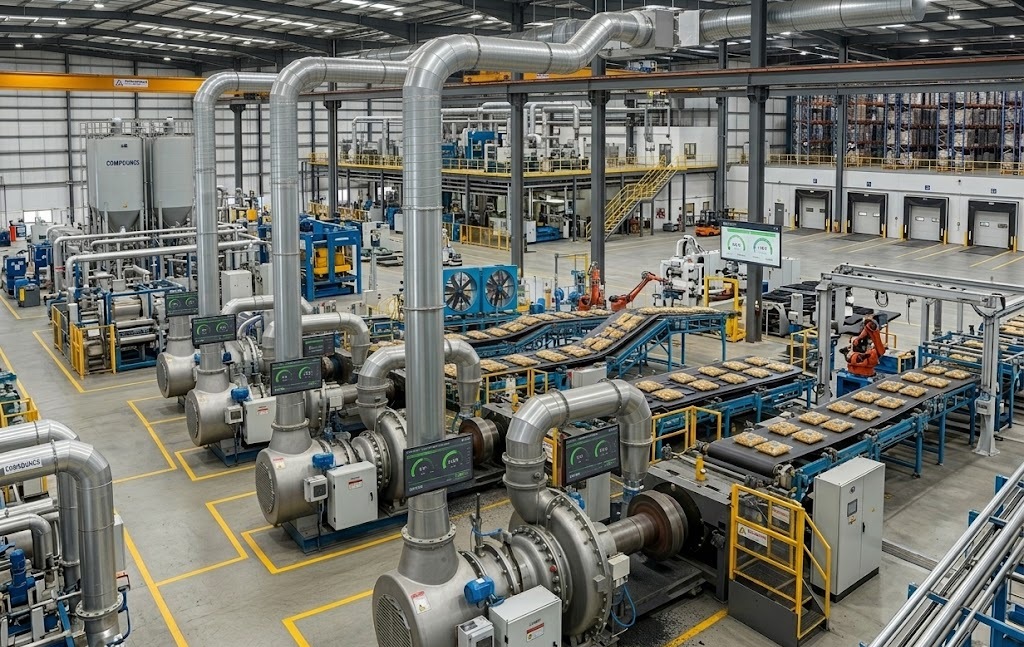
In integrated systems, blowers work in coordination with dust extraction, fume control, and ventilation systems, ensuring consistent performance across the facility.
Key aspects include:
- Customized airflow and pressure design
- Selection based on application (dust, fumes, heat, gases)
- Energy-efficient operation
- Integration with process systems
- Adaptability to varying operating conditions
This ensures that airflow is optimized for both performance and efficiency.
What This Means for Your Business
Application-specific blower systems deliver measurable improvements across operations.
From a productivity perspective, optimized airflow ensures smooth and uninterrupted processes. Workers benefit from improved air quality and comfortable working conditions, enhancing efficiency.
From a cost standpoint, energy-efficient blowers reduce power consumption and maintenance expenses. Proper system design also extends equipment life and minimizes downtime.
Key benefits include:
- Improved process efficiency and consistency
- Reduced energy consumption
- Enhanced worker safety and comfort
- Lower maintenance and operational costs
- Better compliance with industry standards
Edynamics Approach: Engineering for Application Precision
At Edynamics, industrial blower systems are designed with a focus on application-specific performance.
Each project begins with a detailed assessment of the process, environment, and operational requirements. Blowers are then selected and engineered to match exact airflow and pressure needs.
The approach includes:
- Process-driven system design
- Customized blower selection and configuration
- Integration with dust and fume extraction systems
- Focus on energy efficiency and reliability
This ensures that every system delivers optimal performance tailored to the application.
Use Cases Across Industries
In fabrication units, blowers are designed to handle dust and high temperatures.
In automotive plants, they ensure controlled airflow for painting operations.
In pharmaceutical facilities, they maintain cleanroom air balance.
In food processing units, they support hygiene and ventilation.
In chemical plants, they manage airflow for safe gas handling.
Don’t Ignore This Gap
Improper blower selection often shows up as operational inefficiencies.
Common signs include:
- Uneven airflow across the facility
- High energy consumption
- Frequent maintenance issues
- Poor performance in critical processes
Ignoring these issues can lead to long-term operational and financial losses.
Explore Application-Specific Industrial Blower Solutions
Industrial airflow is not a one-size-fits-all requirement. Each process demands a tailored approach to ensure optimal performance, safety, and efficiency.
Application-specific industrial blower design is the key to unlocking better airflow, reduced costs, and reliable operations.
In modern manufacturing, the right blower is not just a component—it is a critical driver of performance.