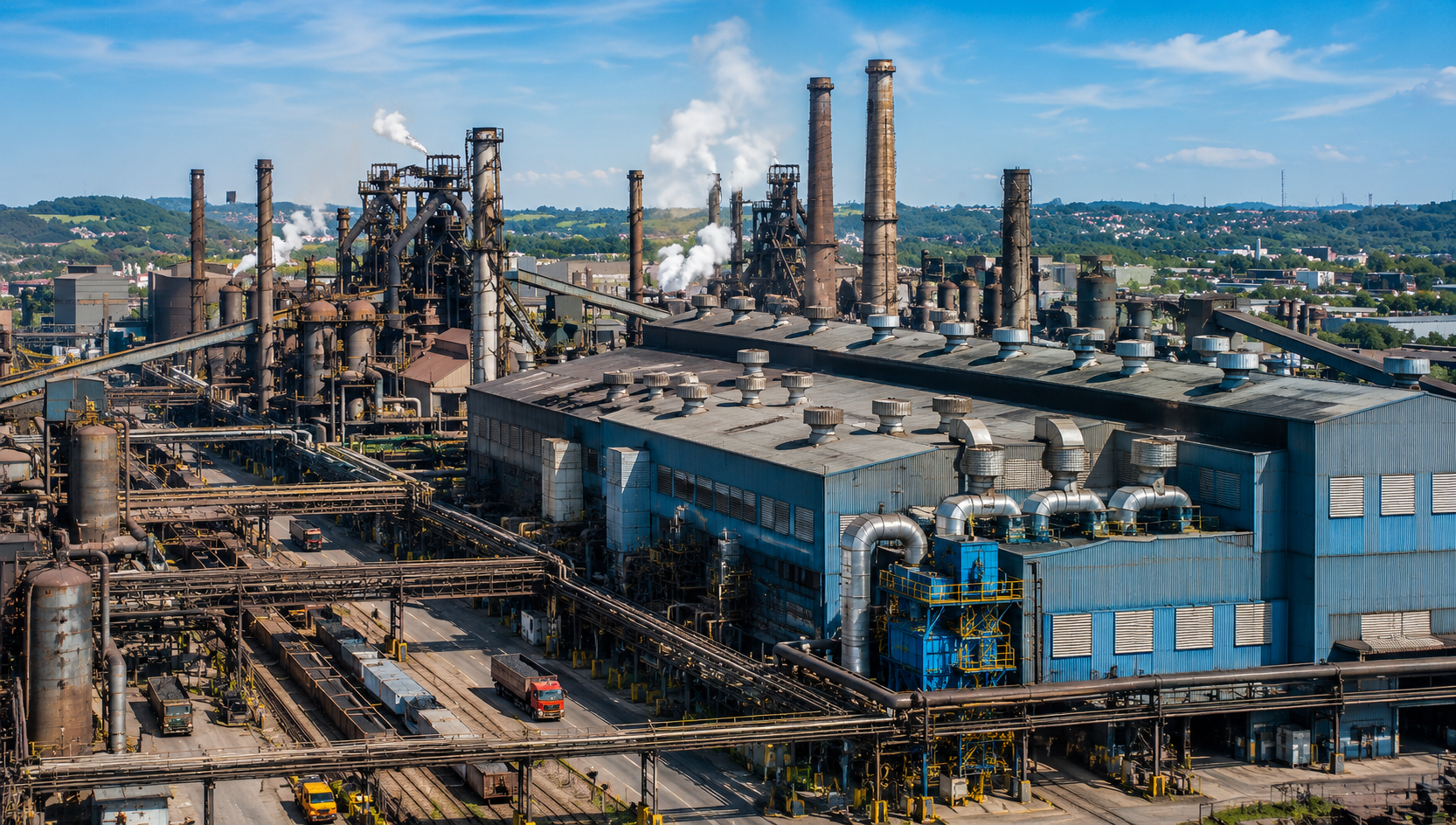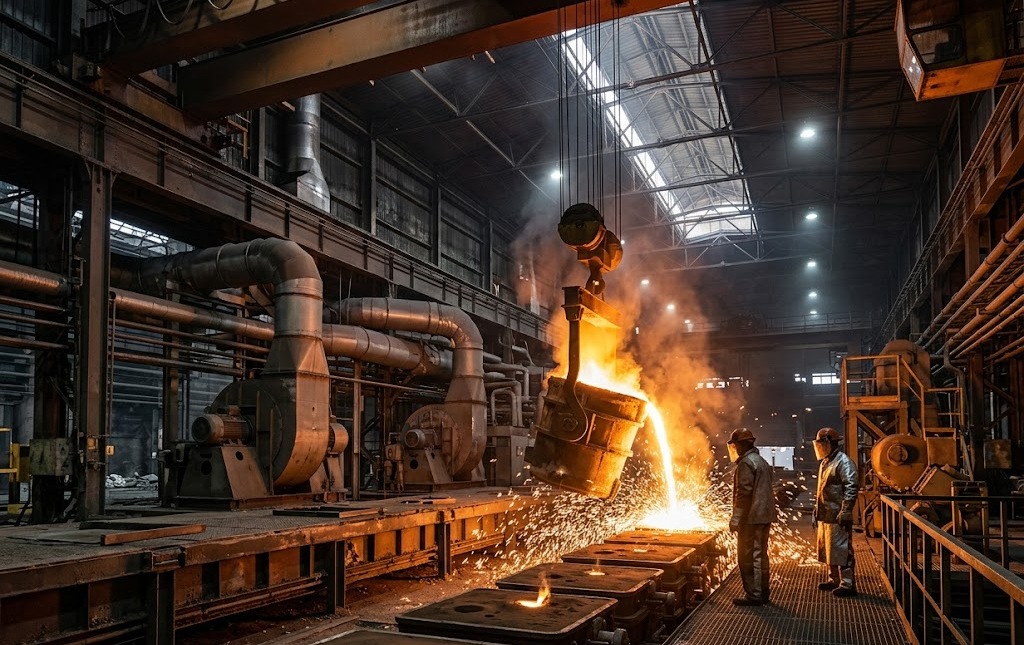

Chemical processing environments involve continuous reactions, material handling, and thermal operations that release gases and vapors into the air. Many of these emissions are hazardous—ranging from toxic and corrosive to flammable—making air movement a critical safety requirement.
In chemical plants, even small concentrations of accumulated gases can create dangerous conditions if not properly controlled. Unlike visible pollutants, these gases often go unnoticed until they reach harmful levels.
Effective air movement through industrial blowers plays a vital role in diluting, dispersing, and removing these gases, ensuring safe and stable operations.
The Real Impact of Toxic Gas Accumulation
Uncontrolled gas accumulation poses serious risks to both safety and operations.
- Worker exposure to toxic gases leading to health issues
- Increased risk of fire or explosion in flammable environments
- Reduced visibility and unsafe working conditions
- Process instability due to uncontrolled atmospheric conditions
- Potential regulatory violations and shutdowns
Even minor lapses in gas management can escalate into major safety incidents, affecting both people and infrastructure.
Where This Problem Is Most Critical
The risk of gas accumulation is highest in areas with continuous chemical reactions and limited ventilation.
Reactor zones, storage areas, mixing units, and confined spaces are particularly vulnerable. Petrochemical plants and oil & gas facilities face similar challenges with hydrocarbon vapors and process gases.
In such environments, maintaining controlled air movement is essential to prevent buildup and ensure safe working conditions.
Why Traditional / Outdated Systems Fail
Basic ventilation systems are not designed to manage hazardous gases effectively.
- No targeted airflow for gas dilution
- Poor distribution leading to localized accumulation
- Inconsistent air movement across the facility
- Lack of control over pressure and airflow direction
- Inability to handle varying gas loads
As a result, gases remain trapped in certain zones, increasing safety risks.
How Industrial Blowers Enable Safe Air Movement
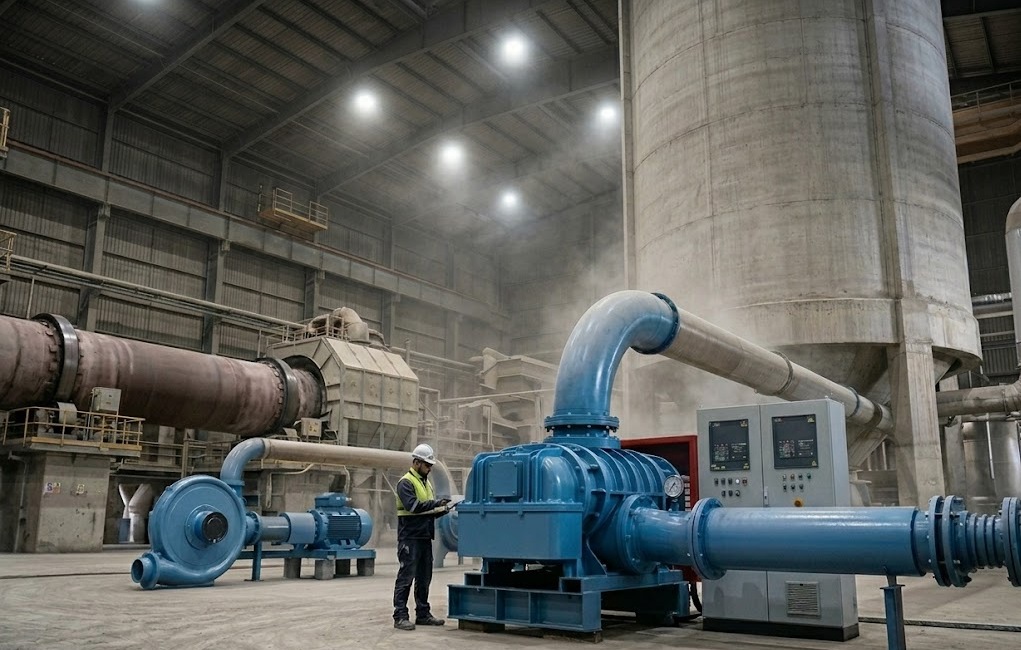
Industrial blowers are designed to deliver controlled and continuous airflow, which is essential for managing hazardous gases.
They help dilute gas concentrations by maintaining steady air exchange and preventing buildup. By creating directional airflow, blowers ensure that gases are moved away from work zones and toward extraction or treatment systems.
In integrated setups, blowers support ventilation systems, scrubbers, and exhaust units, ensuring that contaminated air is safely removed and treated before release.
Key capabilities include:
- High-volume airflow for effective gas dilution
- Controlled air direction to prevent accumulation zones
- Integration with gas extraction and treatment systems
- Continuous operation for consistent safety
- Customization based on plant layout and risk levels
What This Means for Your Business
Proper air movement directly impacts safety, compliance, and operational stability.
By preventing gas accumulation, industrial blowers reduce the risk of accidents and improve working conditions. Workers can operate safely in environments with controlled air quality.
From a compliance perspective, effective gas management helps meet environmental and safety regulations, reducing the risk of penalties or shutdowns.
Business benefits include:
- Improved workplace safety
- Reduced risk of fire and explosion
- Compliance with safety standards
- Enhanced operational reliability
- Lower risk of costly disruptions
Edynamics Approach: Engineering for Safe Airflow
At Edynamics, industrial blower systems are designed as part of a comprehensive air management strategy.
Each solution is developed based on process requirements, gas characteristics, and plant layout. Whether it is a chemical plant, petrochemical facility, or oil & gas operation, systems are tailored to ensure effective gas dilution and removal.
The approach includes:
- Risk-based airflow design
- Selection of high-efficiency industrial blowers
- Integration with extraction and treatment systems
- Compliance-driven engineering
This ensures safe, reliable, and efficient air movement across the facility.
Use Cases Across Industries
In chemical plants, blowers dilute and remove hazardous gases from reactor zones.
In petrochemical facilities, they manage hydrocarbon vapor dispersion.
In oil & gas operations, blowers support ventilation in confined spaces.
In storage areas, they prevent buildup of toxic fumes.
Don’t Ignore This Risk
Gas accumulation often develops without clear warning signs.
Common indicators include:
- Strong or unusual odors
- Worker discomfort or irritation
- Poor ventilation in confined spaces
- Inconsistent airflow across zones
Ignoring these signs can lead to serious safety incidents.
Explore Industrial Blower Solutions
In chemical processing environments, air movement is not just about ventilation—it is about safety. Toxic gas accumulation can pose serious risks if not properly managed.
Industrial blowers play a critical role in ensuring continuous air movement, preventing buildup, and maintaining safe working conditions.
Investing in the right airflow systems is essential for protecting people, processes, and long-term operational stability.