Sustainability is no longer a long-term vision—it is a present-day requirement. Across industries, Environmental, Social, and Governance (ESG) goals are shaping how manufacturing operations are evaluated and managed.
Industrial emissions, particularly fumes, play a significant role in environmental impact. Uncontrolled emissions not only affect air quality within facilities but also contribute to broader environmental concerns.
Industries such as pharmaceuticals, food processing, automotive, and especially chemical, petrochemical, and oil & gas are under increasing pressure to reduce emissions and demonstrate responsible operations.
The Real Impact of Industrial Emissions
Industrial fumes contribute to both environmental and operational challenges.
- Air pollution within and outside facilities
- Increased carbon footprint and environmental impact
- Health risks for workers and surrounding communities
- Difficulty in meeting sustainability targets
- Regulatory pressure and reporting requirements
These factors directly influence how businesses are evaluated by stakeholders and regulators.
Where This Problem Is Most Critical
Emission control is particularly important in industries with high environmental impact.
Chemical and petrochemical plants generate significant emissions. Oil & gas facilities must manage flaring and vapor release. Pharmaceutical and food industries must balance hygiene with environmental responsibility. Automotive manufacturing must control coating emissions.
Across these sectors, sustainability and compliance are closely linked.
Why Traditional Systems Fall Short
Conventional ventilation systems are not aligned with sustainability goals.
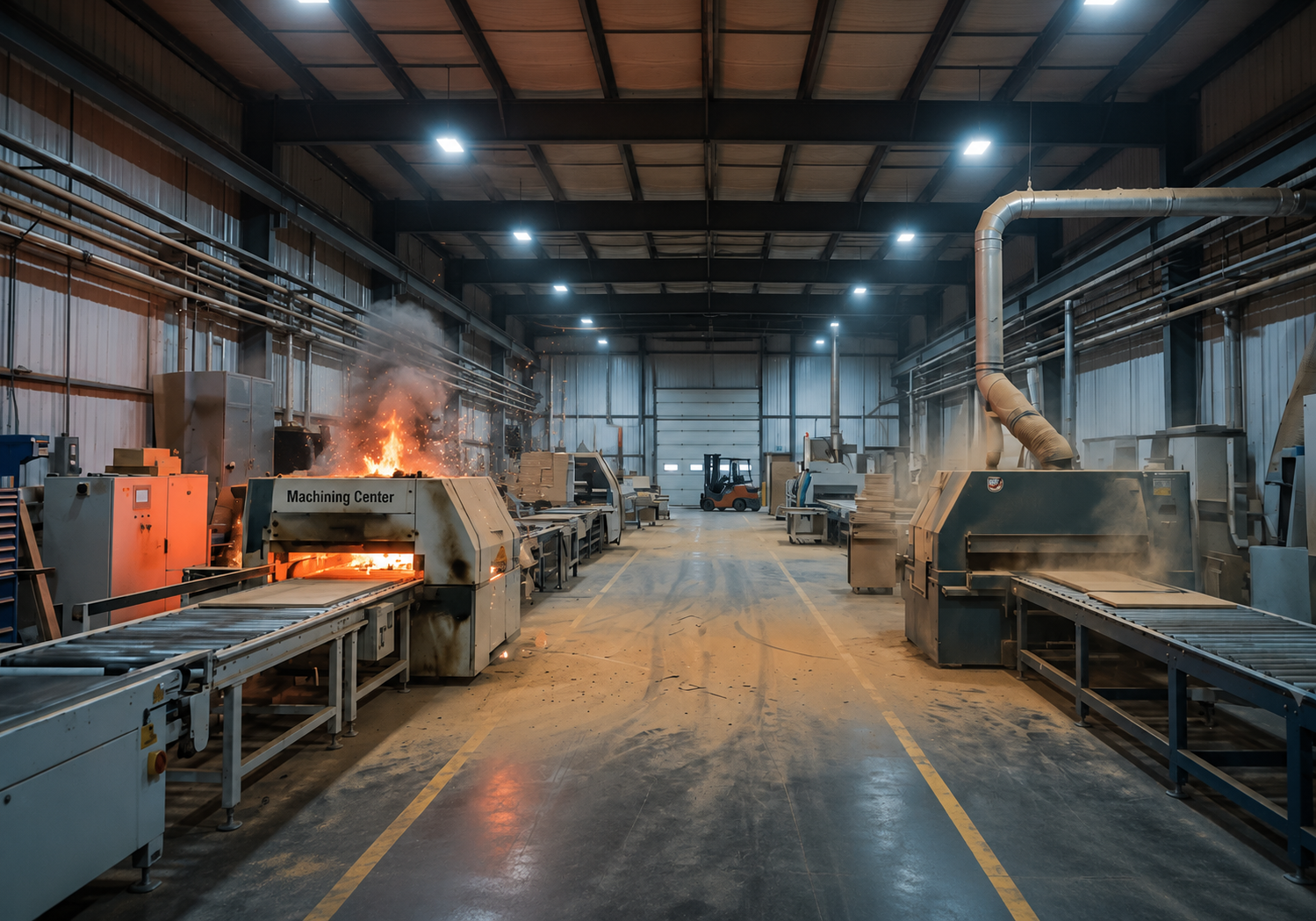
- No emission treatment before release
- High energy consumption
- Inefficient air handling
- Lack of monitoring and control
- Inability to support ESG reporting
This limits their effectiveness in reducing environmental impact.
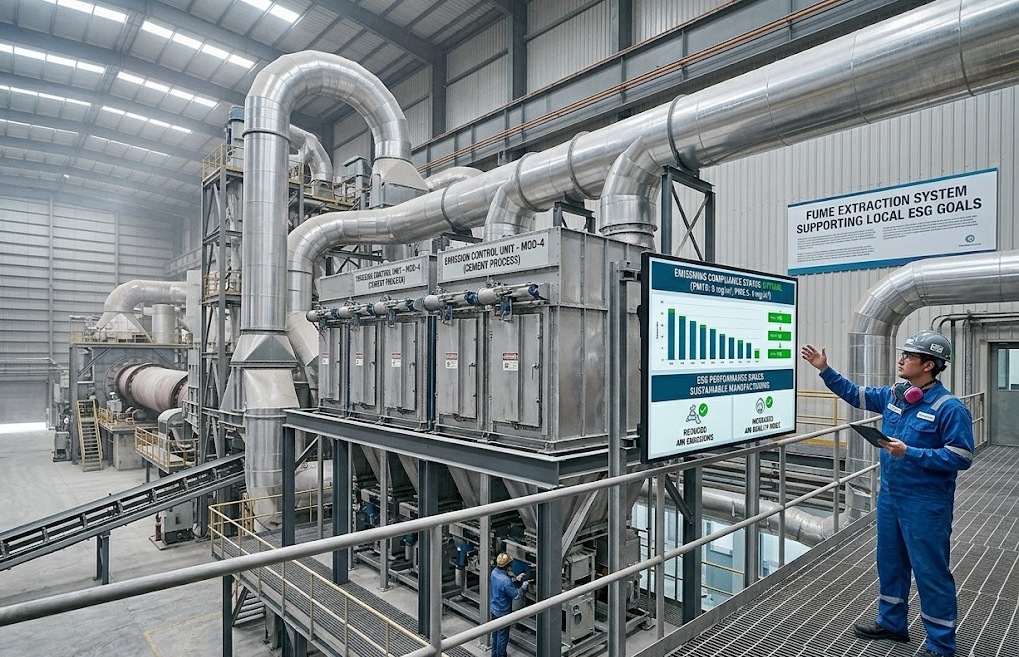
How Fume Extraction Systems Support ESG Goals
Modern systems are designed to reduce emissions and improve efficiency.
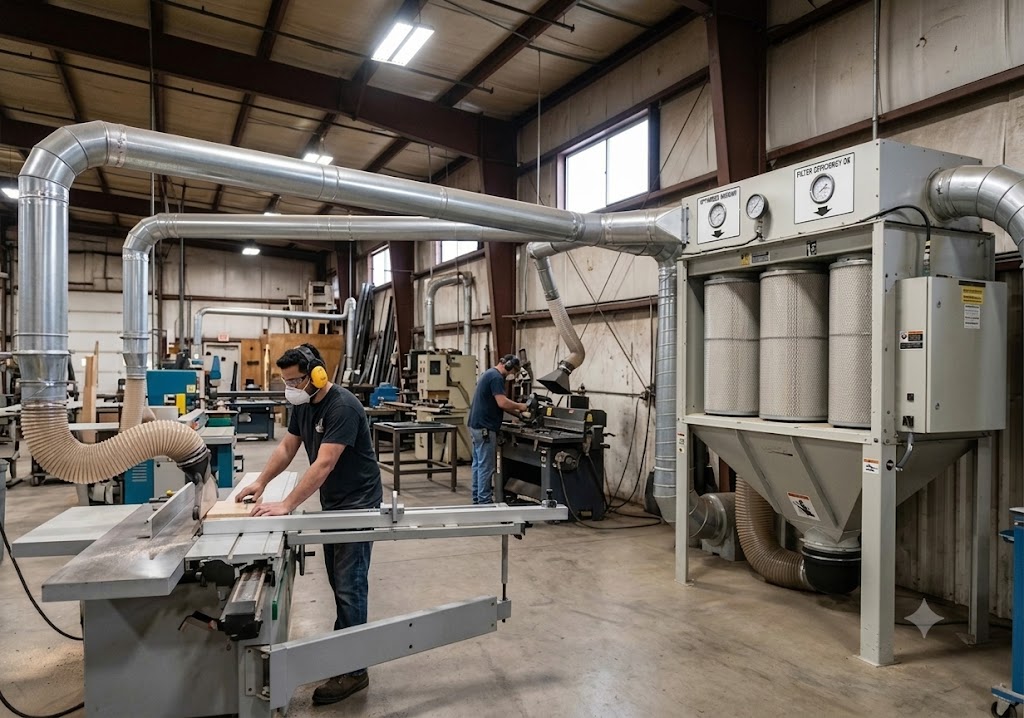
- Source-level extraction minimizes emission spread
- Advanced filtration reduces pollutants
- Scrubbers neutralize harmful gases
- Energy-efficient designs lower power consumption
- Emission control supports regulatory compliance
This helps organizations align with sustainability and environmental standards.
What This Means for Your Business
Investing in fume extraction supports long-term sustainability.
- Reduced environmental impact
- Improved compliance with regulations
- Better ESG performance and reporting
- Enhanced brand reputation
- Increased operational efficiency
It positions your business as responsible and future-ready.
Edynamics Approach: Engineering for Sustainable Operations
Edynamics integrates sustainability into every solution.
- Energy-efficient system design
- Advanced emission control technologies
- Compliance-driven engineering
- Industry-specific solutions
This ensures measurable environmental and operational benefits.
Use Cases Across Industries
Chemical plants reduce emissions through scrubbers.
Oil & gas facilities control vapor release.
Automotive plants manage coating emissions.
Pharma units maintain clean and compliant environments.
Don’t Ignore This Shift
Signs your facility needs improvement:
- High emission levels
- Increasing regulatory pressure
- Sustainability targets not being met
- Rising energy costs
Delaying action can impact both compliance and brand perception.
Explore Dust & Fume Extraction Systems
Sustainability is now a core business priority. Industrial emissions must be controlled not just for compliance, but for long-term growth.
Fume extraction systems play a crucial role in helping businesses achieve cleaner, safer, and more sustainable operations.